PHYSIATRY at J|medical
When one has a problem with muscles, tendons, ligaments, or joints or when one has pain performing movements or, worse, finds oneself in difficulty or impossibility of performing them, one can resort to the advice of a physiatrist.
What is physiatry? It is a medical-specialist discipline, also called physical and rehabilitative medicine. The physiatrist deals with evaluating and addressing problems related to the limitation of a person’s autonomy due to pain or limitation of normal movements. This medical figure operates within an interprofessional and interdisciplinary team with other specialist doctors and physiotherapists. It is therefore coordinated work that aims at the realization of the rehabilitation project, having as its main objective the maximum recovery of the person’s functions and abilities.
What exactly is their field of action? It is the neuro-motor system: pathologies or dysfunctions in the musculoskeletal, neurological but also cardio-respiratory, gynecological, urological or other fields that involve anatomical or functional alterations, with consequent reduction of the person’s autonomy.
What is the PRI? The physiatrist, after evaluating the person’s rehabilitation needs, identifies the specialist medical rehabilitation protocol (Individual Rehabilitation Project), which establishes modalities and duration of treatments, focusing attention on the patient’s resources and potential, in order to favor and optimize them.
- SERVICES OFFERED AT J|medical.
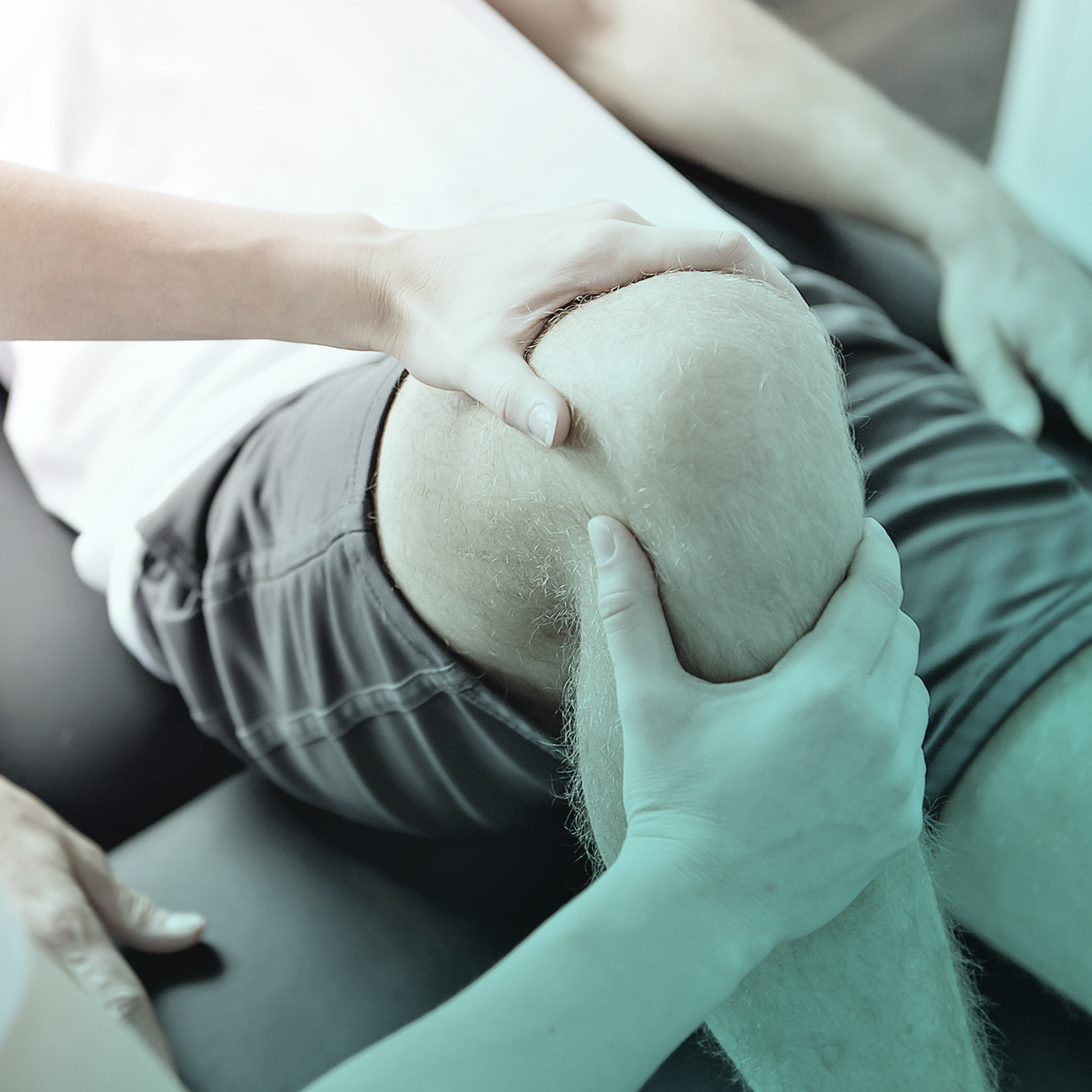
- Physiatric visit. It is the specialist visit conducted by the physiatrist, the doctor specialized in physical and rehabilitative medicine. The visit is usually prescribed in case of disorders of the osteoarticular system resulting from acute or chronic pathologies deriving from trauma, inflammations, or orthopedic surgeries. The specialist doctor, following the clinical inspection performed during the physiatric visit, will be able to: 1) define a diagnosis that may require possible further checks; 2) prescribe a path of rehabilitative treatments with the aim of curing the disease and re-educating the patient to recover the autonomies antecedent to the examined disease. Generally, the physiatrist collaborates with other professional figures in the medical field, such as the physiotherapist, rheumatologist, geriatrician, orthopedist, neurologist, sports doctor.
- Articular and musculo-tendinous infiltrations. These are medical procedures that have the main purpose of reducing pain, inflammation, and improving functionality and can be part of a conservative approach to recovery. Infiltrations help patients regain mobility, improving quality of life and allowing for faster and less invasive recovery.
- Hyaluronic acid infiltrations. Within the modalities of infiltrative therapy, hyaluronic acid infiltrations also fall. This procedure helps reduce pain and inflammation, as well as offering a lubricating action that improves joint mechanics. Hyaluronic acid infiltrations are also an integral part of a conservative approach to manage symptoms of joint pathologies, offering patients a non-invasive option to improve quality of life, particularly in cases of arthrosis diagnosis.
- PRP and mesenchymal cell infiltrations. Infiltrations of PRP (Platelet Rich Plasma) and mesenchymal cells from adipose tissue are treatments that act, through injection into the affected area (usually a joint or damaged tissue), of a concentrated solution of growth factors that can promote healing and regeneration processes to favor the repair of damaged tissues, such as muscles, tendons, or cartilage. These treatments are used to address orthopedic pathologies such as tendinopathies, muscle lesions, inflammatory or degenerative joint pathologies. They represent a conservative approach to stimulate healing, reduce pain, and improve functionality, often avoiding more invasive surgeries.
- Mesotherapy. In cases where it is necessary to relieve pain generated by acute or chronic pathologies affecting the musculoskeletal system, one can resort to mesotherapy. This treatment is performed by means of small needles which, once inserted into the medium-deep dermis layer, allow the drug to penetrate and carry out its action in correspondence with the area to be treated. Mesotherapy has the final purpose of reducing pain, as well as speeding up and restoring functional recovery. Shock waves. Various pathologies affecting the musculoskeletal system, such as tendinopathies, calcifications, plantar fasciitis, fractures with consolidation delays, can be treated using shock waves. These are high-energy acoustic waves applied directly to the affected areas. They stimulate the healing process through improved blood circulation, reduction of inflammation, and stimulation of tissue repair. Shock waves are a minimally invasive therapy devoid of particular side effects.