DIGESTIVE ENDOSCOPY at J|medical
To evaluate symptoms that persist and involve one or more organs of the digestive system, upon request of the treating physician, when laboratory test results require an in-depth study of the gastrointestinal tract. These are just some of the reasons that make a digestive endoscopy procedure necessary.
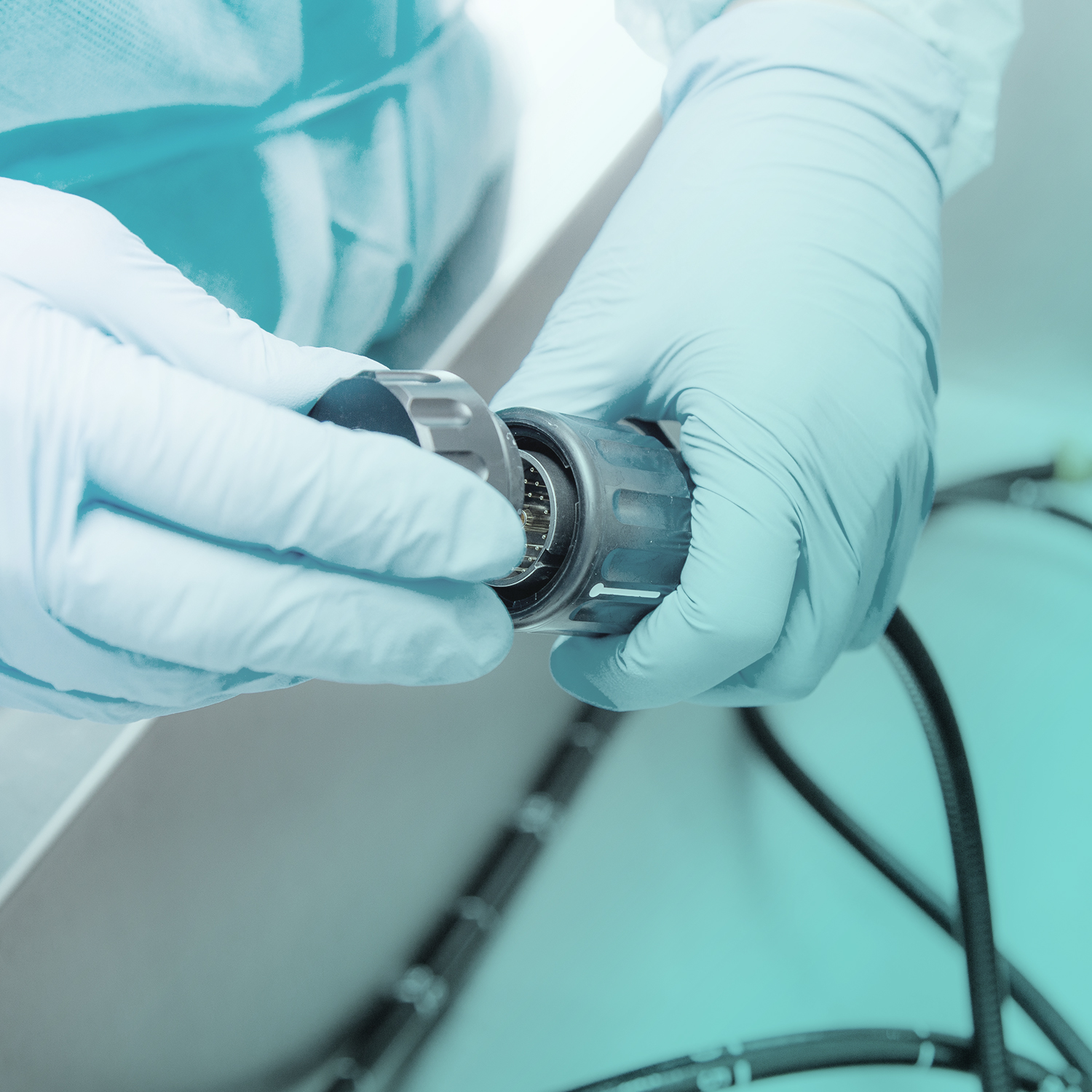
What is digestive endoscopy? It is a diagnostic and therapeutic technique that allows having a direct view, from the inside, of some organs, using instruments called endoscopes. In particular, endoscopic investigations of the digestive tract allow the gastroenterologist specialist to directly visualize the internal walls, both of the upper part of the gastrointestinal tract (esophago-gastro-duodenoscopy, EGDS), and of the lower part (colon-sigmoido-rectoscopy). For such exploration, flexible video endoscopes with high definition image are used.
What is it useful for? It is a fundamental method in the prevention and diagnostic framing of numerous benign and malignant diseases of the gastrointestinal tract, allowing, if necessary, the execution of biopsies (removal of a small amount of tissue) to perform histological investigations or the removal of neoformations. These exams are performed on an outpatient basis with the possible support of sedation.
- SERVICES OFFERED AT J|medical
- Endoscopic biopsy at multiple sites. During this medical procedure, small tissue samples are taken from different areas of the digestive system using an endoscope. Afterward, the samples are analyzed under a microscope to diagnose conditions or pathologies such as inflammations, infections, or neoplasms.
- Diagnostic esophagogastroduodenoscopy with biopsy. This is a type of endoscopic procedure that allows examining the esophagus, stomach, and duodenum (the first part of the small intestine), with the possibility of taking small tissue samples (biopsies), for laboratory analysis aimed at obtaining a more precise diagnosis of gastrointestinal disorders (ulcers, gastritis, gastroesophageal reflux, and other pathologies). During this exam, it is possible that the specialist resorts to sedation to increase patient comfort during the procedure.
- Pancolonoscopy with biopsy. This is a procedure similar to what was described previously, but allows focusing on the tract of the colon, sigmoid, and rectum. It is possible to accompany the exam with superficial sedation that leaves the patient conscious but more relaxed and with less anxiety, or deeper sedation. Pancolonoscopy is used to evaluate conditions such as inflammatory bowel diseases, polyps, tumors, or other anomalies of the colorectal tract, and proceed to the possible removal of neoformations such as polyps at risk of neoplastic evolution. Rectosigmoidofibroscopy. Through an instrument called a fiberscope, this exam allows analyzing the last part of the colon (the rectum) and the upper part of the sigmoid colon, taking small samples (biopsy). It is a procedure often used to evaluate conditions such as Crohn’s disease, ulcerative colitis, colorectal tract pathologies, and other gastrointestinal diseases. It is less invasive than other more extensive endoscopic techniques but can help doctors identify specific problems in the lower parts of the colon.