Swimming is one of the most complete and beneficial sports for the human body, but, like any physical activity, it carries the risk of injuries, particularly if the right precautions are not taken. A targeted training programme, combined with preventive practices, is essential for minimising the risk of injury and ensuring that swimmers — both professional and amateur — can continue to enjoy the benefits of this discipline without compromising their health.
In this article, we will explore the best strategies for injury prevention in swimming. Let’s discover them together.
1. Adequate Warm-Up: Essential for Prevention
One of the most effective ways to prevent injuries in swimming is a proper warm-up. A well-structured warm-up prepares the muscles, joints, and tendons for physical activity, increasing blood flow and improving muscular flexibility.
The gradual introduction of repetitive movements similar to those that will be performed in the swimming session increases physical readiness, significantly reducing the risk of muscular and joint injuries.
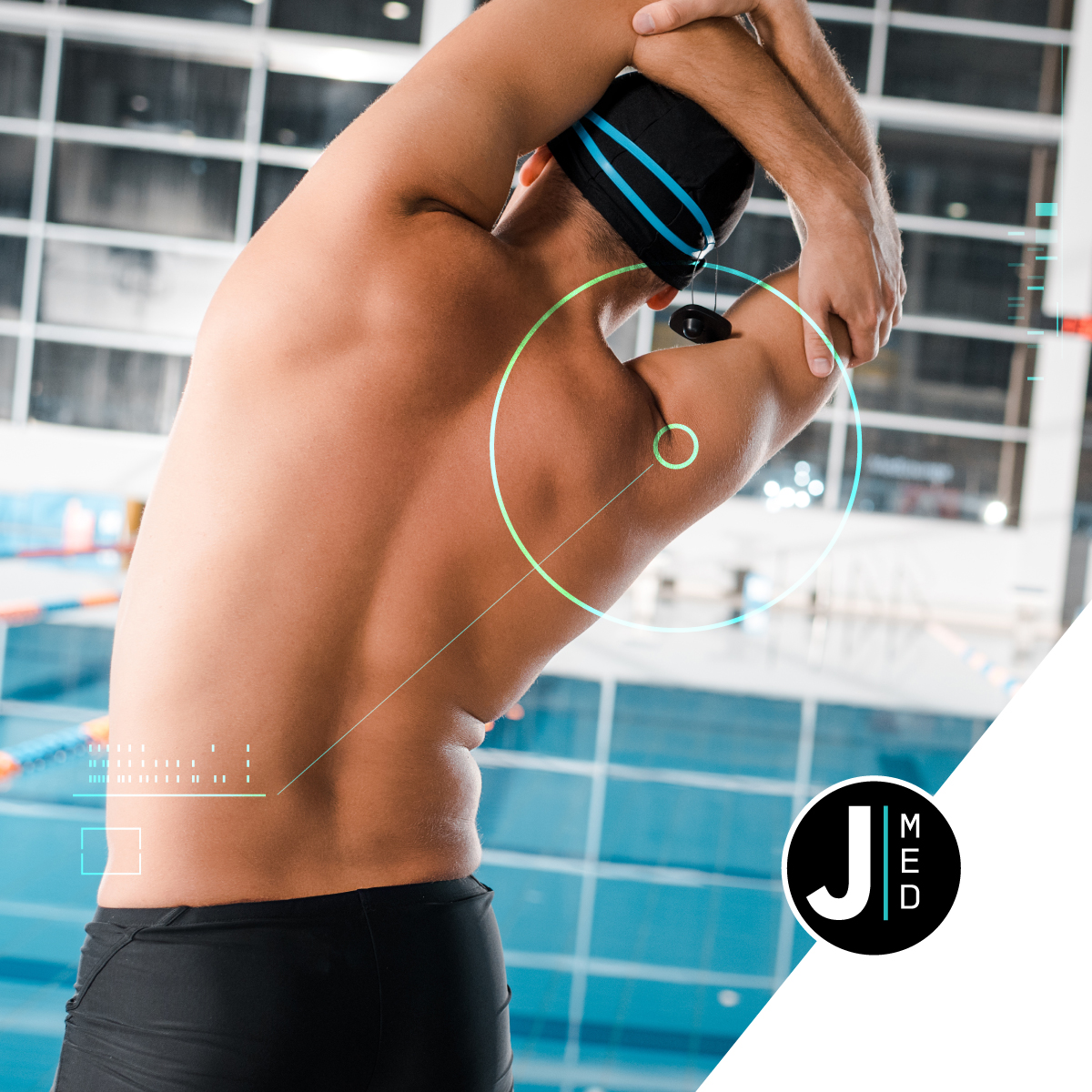
During the warm-up, it is important to focus not only on general mobility, but also on specific muscle groups involved in swimming, such as the shoulders, elbows, wrists, and core.
2. Correct Swimming Technique: The Crucial Role of Posture
Correct swimming technique not only optimises performance, but also reduces stress and tension on the muscles and joints. Efficient movement and correct posture prevent overloading of the body’s structures, reducing the risk of long-term injuries. Poor posture during swimming — such as incorrect arm or head positioning — can cause muscular tension and injuries to the back, neck, and shoulders.
An experienced coach or physiotherapist can provide guidance on improving technique, reducing the risk of harmful exertions and movements. Attention to the body’s biomechanics during each swimming stroke is fundamental for safe and effective training.
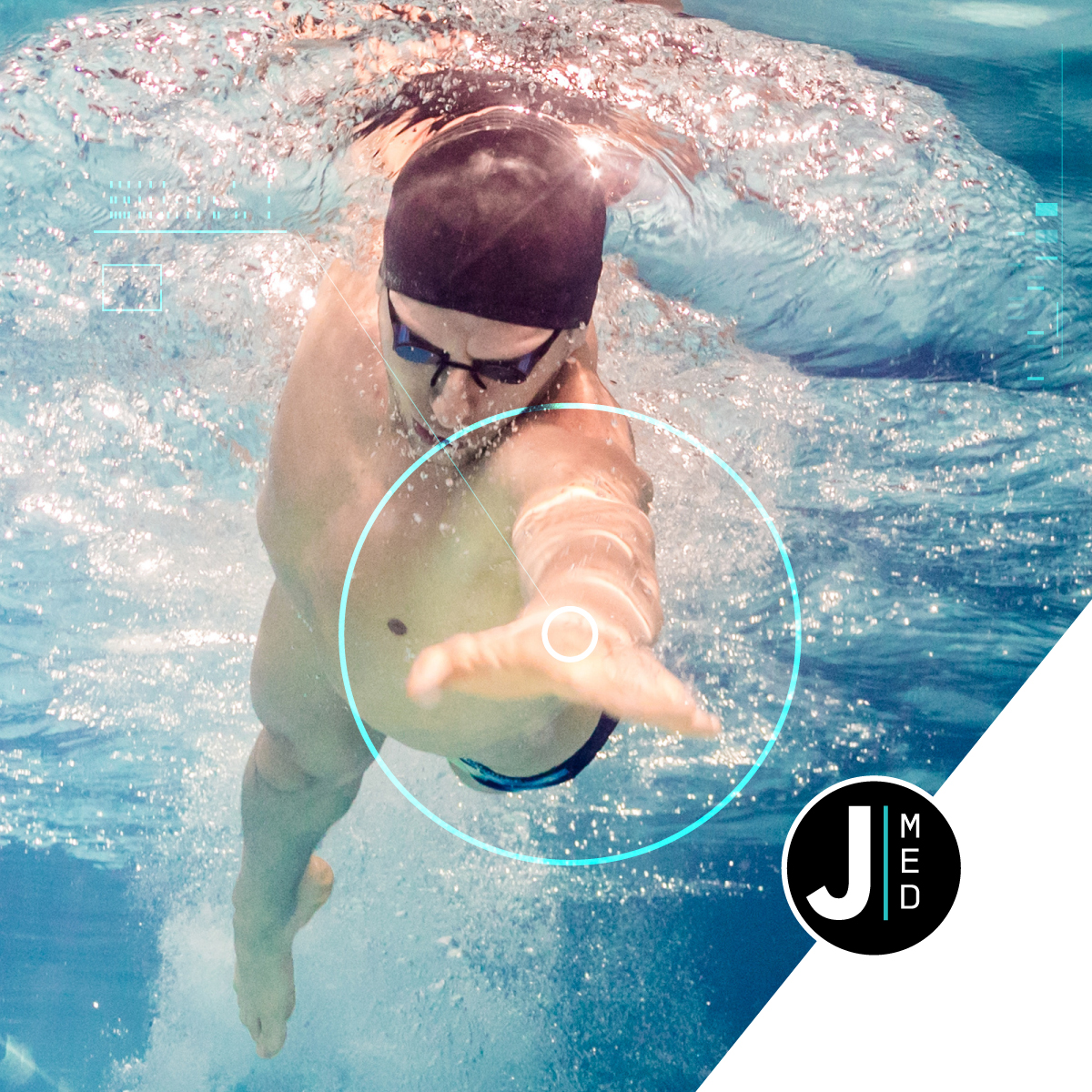
Efficient movement and correct posture prevent overloading of the body's structures, reducing the risk of long-term injuries.
3. Strength Training: Improving Muscular Endurance
Strength training is essential for improving muscular endurance and reducing the risk of injuries related to repetitive movements. Swimmers can benefit from a specific training programme that includes strength exercises for the upper body, core, and legs.
Exercises such as pull-ups, planks, and squats can help improve muscular stability and the power needed to perform swimming movements with greater efficiency.
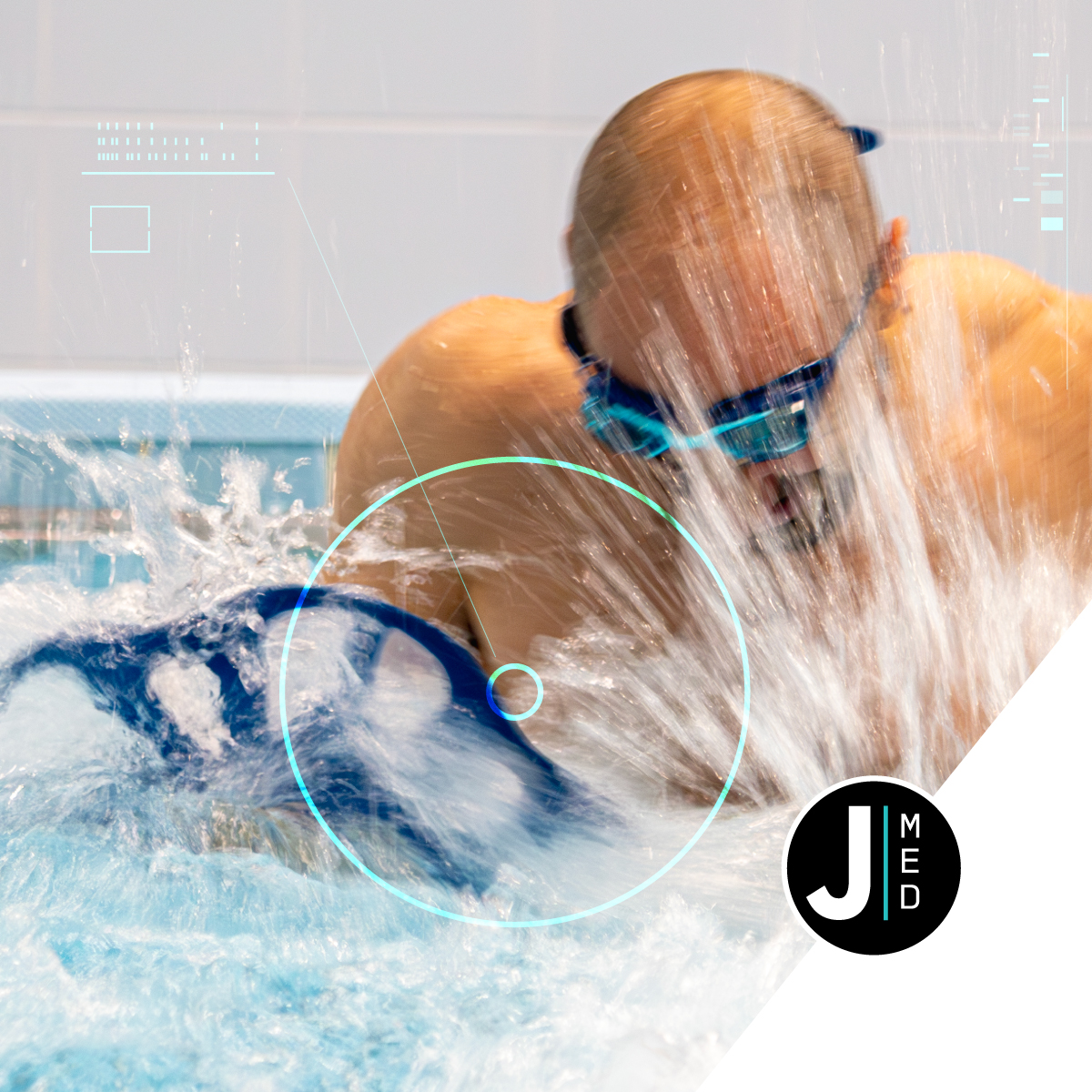
Swimmers can benefit from a specific training programme that includes strength exercises for the upper body, core, and legs.
4. Fatigue Monitoring: Listening to Your Body
Swimmers often face intense and prolonged training sessions that can place significant stress on the body. Swimmers often face intense and prolonged training sessions that can place significant stress on the body. Listening to the body’s signals and identifying signs of tiredness or fatigue is fundamental to avoiding injuries.
To do this, it will be necessary to schedule adequate recovery periods during training sessions.
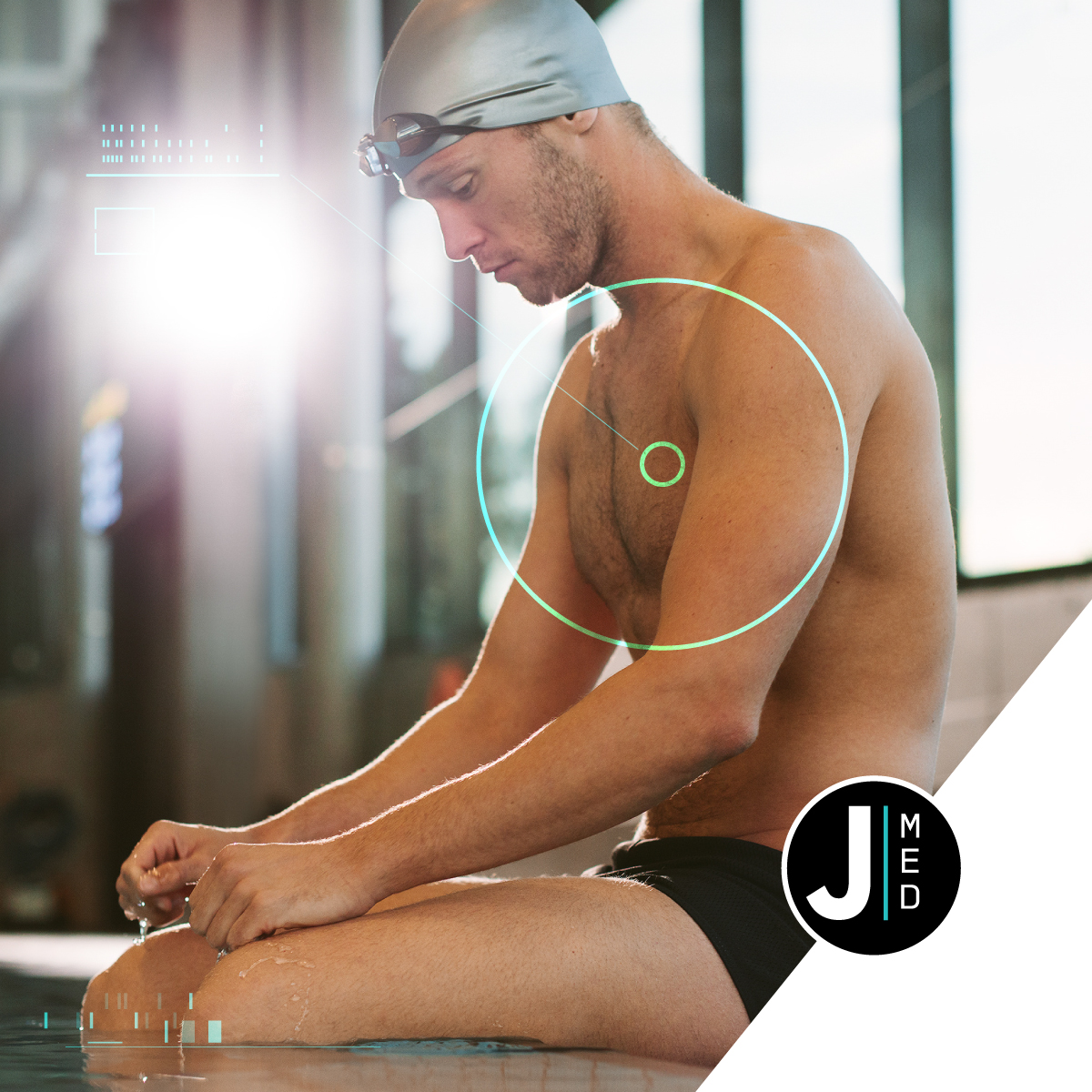
Listening to the body's signals and identifying signs of tiredness or fatigue is fundamental to avoiding injuries.
J|medical and Aquatica: A Partnership for Athlete Wellbeing
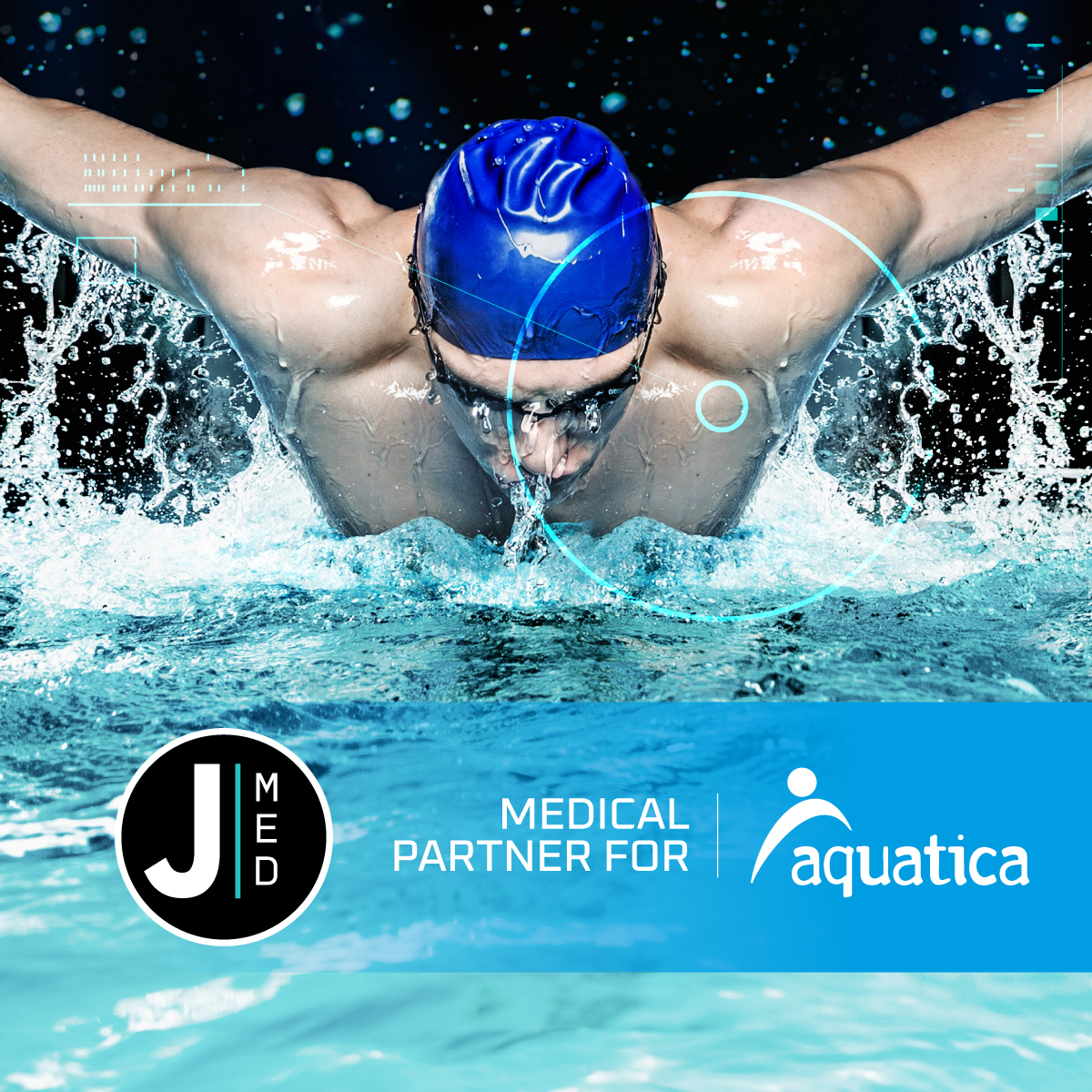
We are pleased to highlight the collaboration between J|medical and Aquatica, a centre of excellence for swimming practice and training.
Thanks to this agreement, all Aquatica members and competitive athletes will be able to access the J|medical medical team on a priority basis for specialist consultations focused on the prevention, diagnosis, and treatment of injuries, as well as rehabilitation and performance enhancement programmes.
For further information on Aquatica: https://aquaticatorino.it/
Contact Us
Preventing injuries in swimming is possible through an integrated approach that combines training techniques, correct posture, fatigue monitoring, and adequate warm-up. Investing in these aspects of prevention not only protects swimmers’ physical health, but also improves their performance.
For more information on how we can support you in preventing swimming injuries, get in touch!

Book a consultation with the Sports Medicine experts at J|medical and find out how we can help you achieve your goals.
A SPECIALIST CONSULTATION
J|medical – Sports Medicine
Freephone: 800 050462
Email: info@jmedical.eu
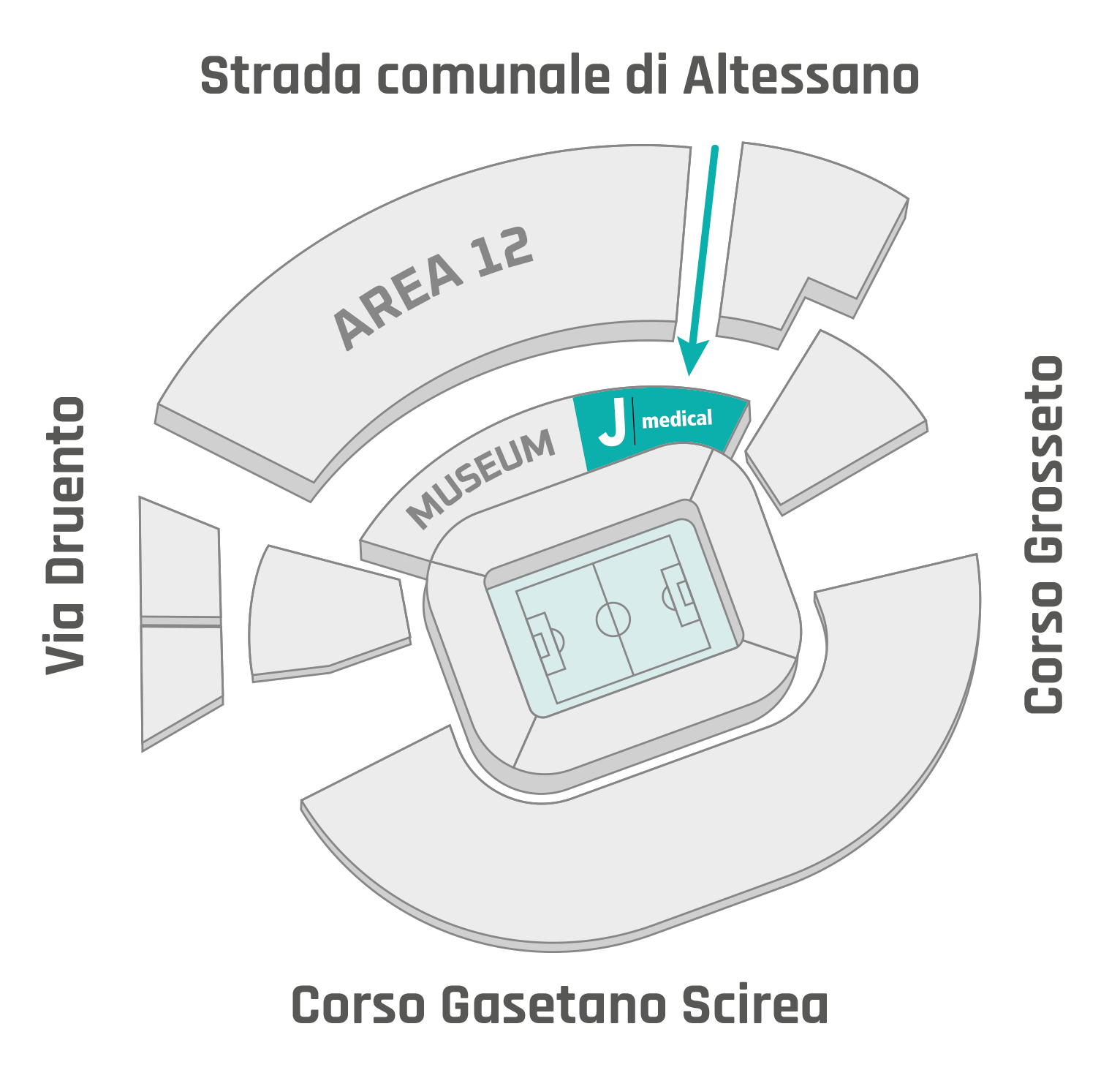
Via Druento, 153/42, 10151 Turin