ORTHOPEDIC, PHYSIATRIC, TRAUMATOLOGICAL VISIT WITH ULTRASOUND at J|medical
This package includes:
Orthopedic visit
Physiatry
Sports Traumatology
ORTHOPEDIC VISIT AT J|medical When sports activity or normal daily activities, even the simplest ones, begin to be difficult due to joint and musculoskeletal problems (including post-traumatic ones) that limit our functionality, it is good to rely on the care of an orthopedic doctor.
Does the orthopedist only deal with athletes? Absolutely not. Osteoarticular problems concern professional athletes, amateur sportspeople, and ordinary people.
- What is the path to follow? Every path always starts with the outpatient visit. It is in this phase that the orthopedist will establish the program and the stages necessary to reach the objectives shared with the patient.
- Orthopedic visit. During the visit, the orthopedist performs clinical tests, analyzes the patient’s medical history, and, if necessary, prescribes specific exams with the aim of identifying and diagnosing the orthopedic pathology in progress (such as bone fractures, muscle lesions, tendinopathies, joint problems, or spinal issues). Early diagnosis and a targeted therapeutic program can contribute to improving functionality, alleviating pain, and preventing potential long-term complications.
- Articular and musculo-tendinous infiltrations. These are medical procedures with the main purpose of reducing pain and inflammation and improving functionality, and can be part of a conservative approach to recovery.
- Hyaluronic acid infiltrations. This procedure helps reduce pain and inflammation, as well as offering a lubricating action that improves joint mechanics.
PRP and mesenchymal cell infiltrations. Treatments involving the injection of a concentrated solution of growth factors into the affected area to promote healing and regeneration processes.
Outpatient surgery in the operating room. At J|medical, surgical procedures and orthopedic interventions that do not require prolonged hospitalization are also performed. Patients are discharged on the same day as the intervention.
PHYSIATRY AT J|medical When one has a problem with muscles, tendons, ligaments, or joints, or when one has pain performing movements, one can resort to the advice of a physiatrist.
What is physiatry? It is a medical-specialist discipline, also called physical and rehabilitative medicine. The physiatrist deals with evaluating and addressing problems related to the limitation of a person’s autonomy due to pain or limitation of normal movements.
What exactly is their field of action? It is the neuro-motor system: pathologies or dysfunctions in the musculoskeletal, neurological, but also cardio-respiratory fields that involve anatomical or functional alterations.
What is the PRI? The physiatrist identifies the specialist medical rehabilitation protocol (Individual Rehabilitation Project), which establishes modalities and duration of treatments.
- SERVICES OFFERED AT J|medical
- Articular and musculo-tendinous infiltrations.
- Hyaluronic acid infiltrations.
- PRP and mesenchymal cell infiltrations.
- Mesotherapy. Used to alleviate pain generated by acute or chronic pathologies affecting the musculoskeletal system using small needles.
Shock waves. Used to treat various pathologies affecting the musculoskeletal system, such as tendinopathies, calcifications, plantar fasciitis.
SPORTS TRAUMATOLOGY AT J|medical Injuries represent a frequent and impacting problem for athletes. The specialist in sports traumatology represents the most indicated choice to solve the problem.
What does sports traumatology deal with? It is that branch of sports medicine that deals with prevention, diagnosis, and cure of injuries related to sport.
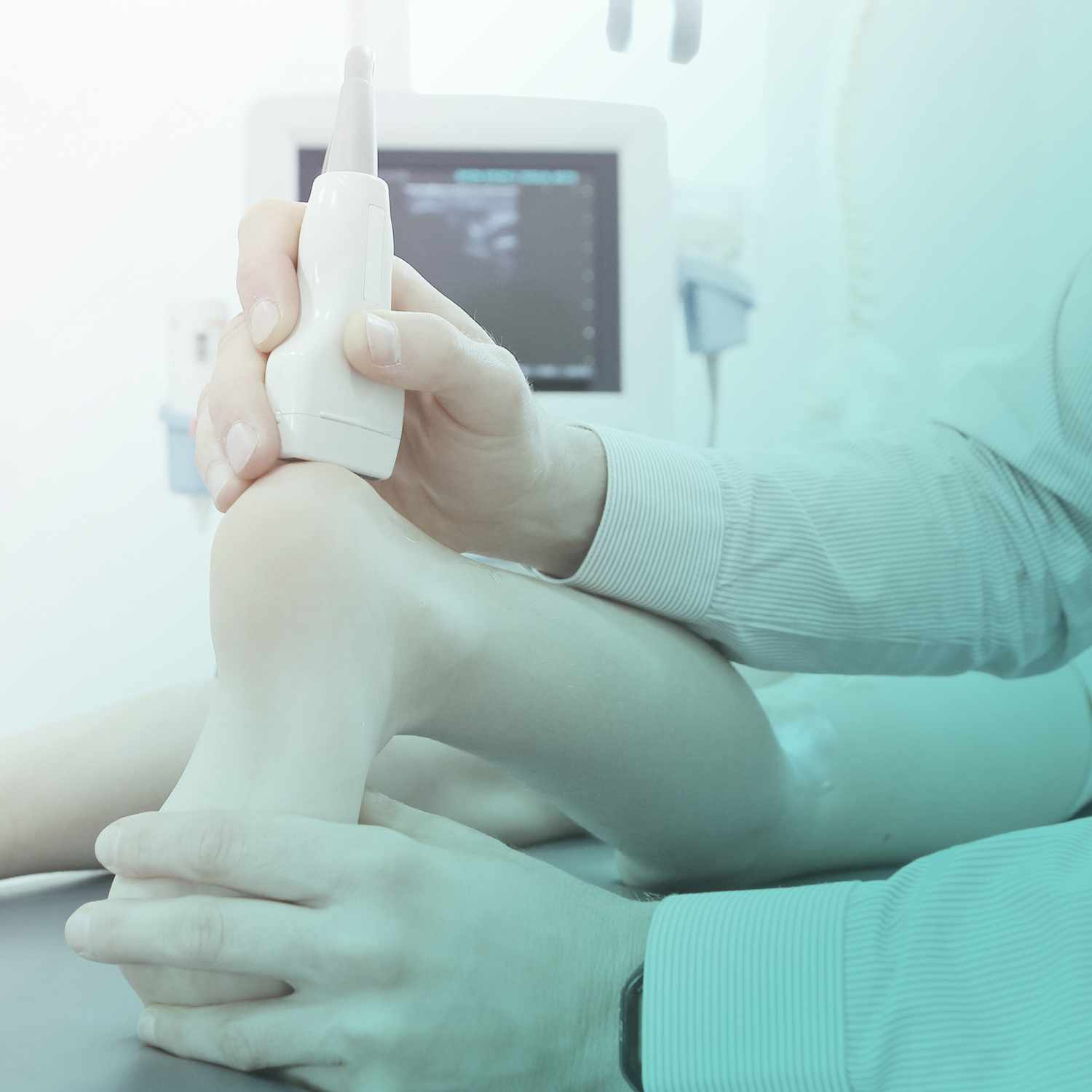
Who is the sports traumatologist doctor? A professional figure integrating skills of orthopedics, diagnostic imaging, physical and rehabilitative medicine, and sports medicine. At J|medical, every traumatologist doctor integrates information collected through clinical visit with an ultrasound exam performed at the moment.
What primary objective do they set? The definition of the diagnosis. Setting up a personalized re-educational program, if necessary, is another fundamental component.
SERVICES OFFERED AT J|medical
Traumatological visit with ultrasound.
- Ultrasound-guided infiltrations. Modern method allowing placement of drugs inside a target tissue with millimetric precision thanks to ultrasound aid. Drugs include corticosteroids, local anesthetics, hyaluronic acid, PRP, and mesenchymal cell concentrates.
- Neuromodulation. Therapeutic technique acting on the nervous system to correct or alleviate symptoms associated with chronic conditions and pain without the aid of drugs.
- Neuromodulazione.È una tecnica terapeutica che agisce sul sistema nervoso per correggere o alleviare sintomi associati a condizioni croniche, dolore, disturbi del movimento e altre condizioni mediche senza l’ausilio di farmaci. Si ricorre alla neuromodulazione quando i trattamenti convenzionali non hanno successo nel gestire i sintomi o quando l’uso continuo di farmaci può causare effetti collaterali indesiderati. È importante che un medico qualificato valuti attentamente se la neuromodulazione sia appropriata per il paziente, prendendo in considerazione i rischi e i benefici.