COMPETITIVE FITNESS EXAMINATION at J|medical
Sport plays (or should play) an important role in all our lives, but before practicing it at a competitive level, it is necessary to undergo a specific examination to assess that our state of health is compatible with sports activity.
The first thing to do, therefore, is to undergo the competitive fitness examination.
But what exactly is the competitive fitness examination? It is an in-depth medical examination aimed at evaluating the athlete’s state of health and their ability to face, safely and efficiently, the competitive activity in which they intend to participate.
Who is it for? Both professional athletes and amateur sportspeople.
Why is it necessary to do it? Because it certifies that athletes are physically prepared and in optimal condition to face sports competitions.
- What exams are performed during the visit? During the visit, numerous checks are performed to ensure and certify the athlete’s fitness:
- Anamnesis, search for risk factors and family predispositions. Particular attention is paid to the anamnesis and the search for possible risk factors, thereby identifying potential pre-existing problems that could interfere with sports activity.
- Collection and analysis of anthropometric data. They offer information on the athlete’s physical characteristics that can influence performance and resistance to effort.
- Medical examination and physical examination. It is fundamental for detecting any hidden medical conditions or pathologies.
- Visual acuity assessment. It is important to ensure that the athlete has adequate vision to safely face the sports path.
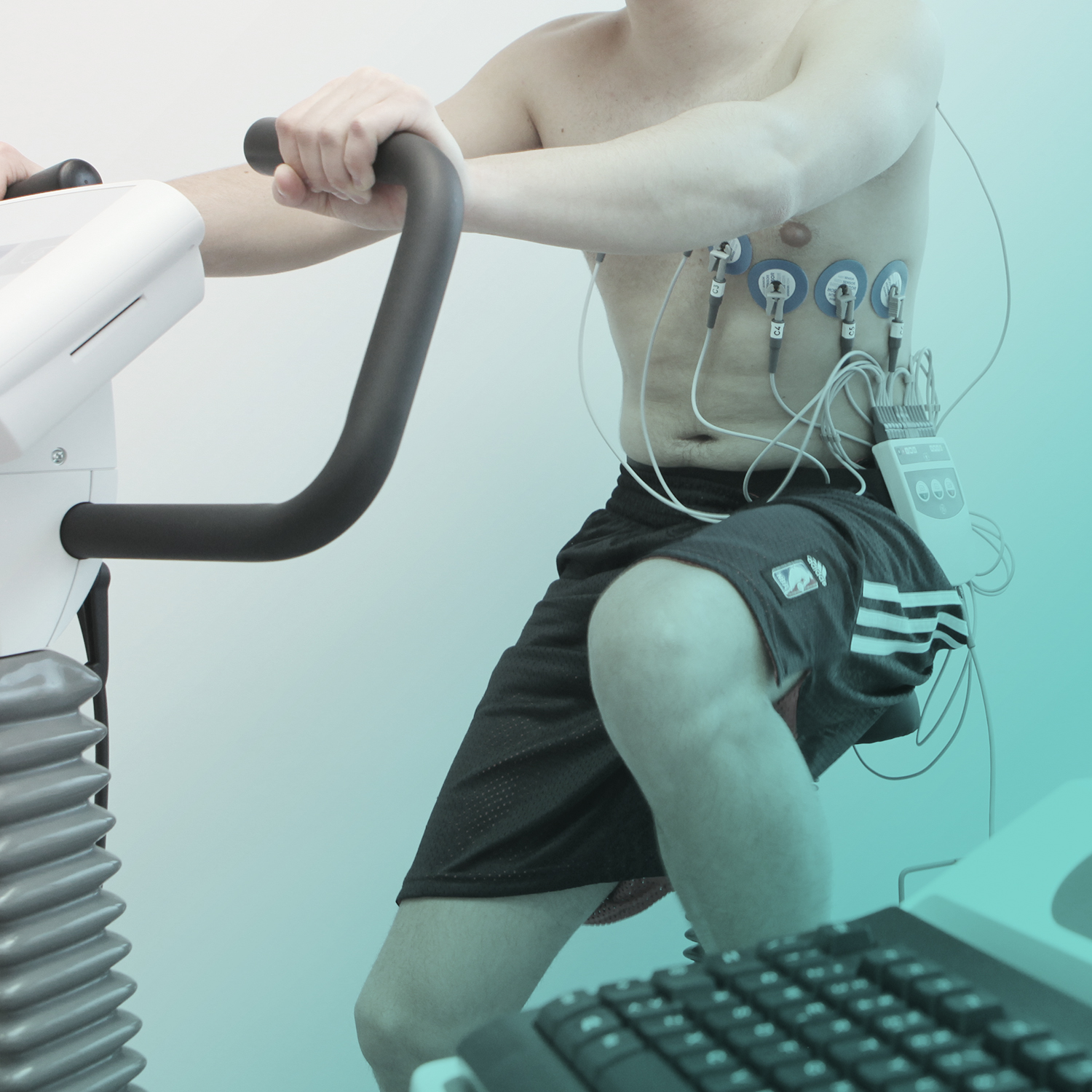
- Spirometry – Resting Electrocardiogram – Stress Electrocardiogram. These checks contribute to the assessment of respiratory and cardiac functions, ensuring that the heart and lungs are able to withstand the intense physical activity one undergoes.
- Evaluation of the Immediate Recovery Index (IRI). It measures how quickly the heart returns to the resting heart rate after exercise, thus providing indications of the cardiovascular system’s recovery capacity and its efficiency in adapting to variations in physical activity intensity.
Urine test. It can provide information on the general state of the organism and detect any signs of metabolic problems or issues affecting the urinary tract. And what happens after the visit? Once all the checks have been completed with a positive outcome, the visit concludes with the issuance of the certificate of competitive fitness which allows the athlete to participate in competitions, in complete safety.