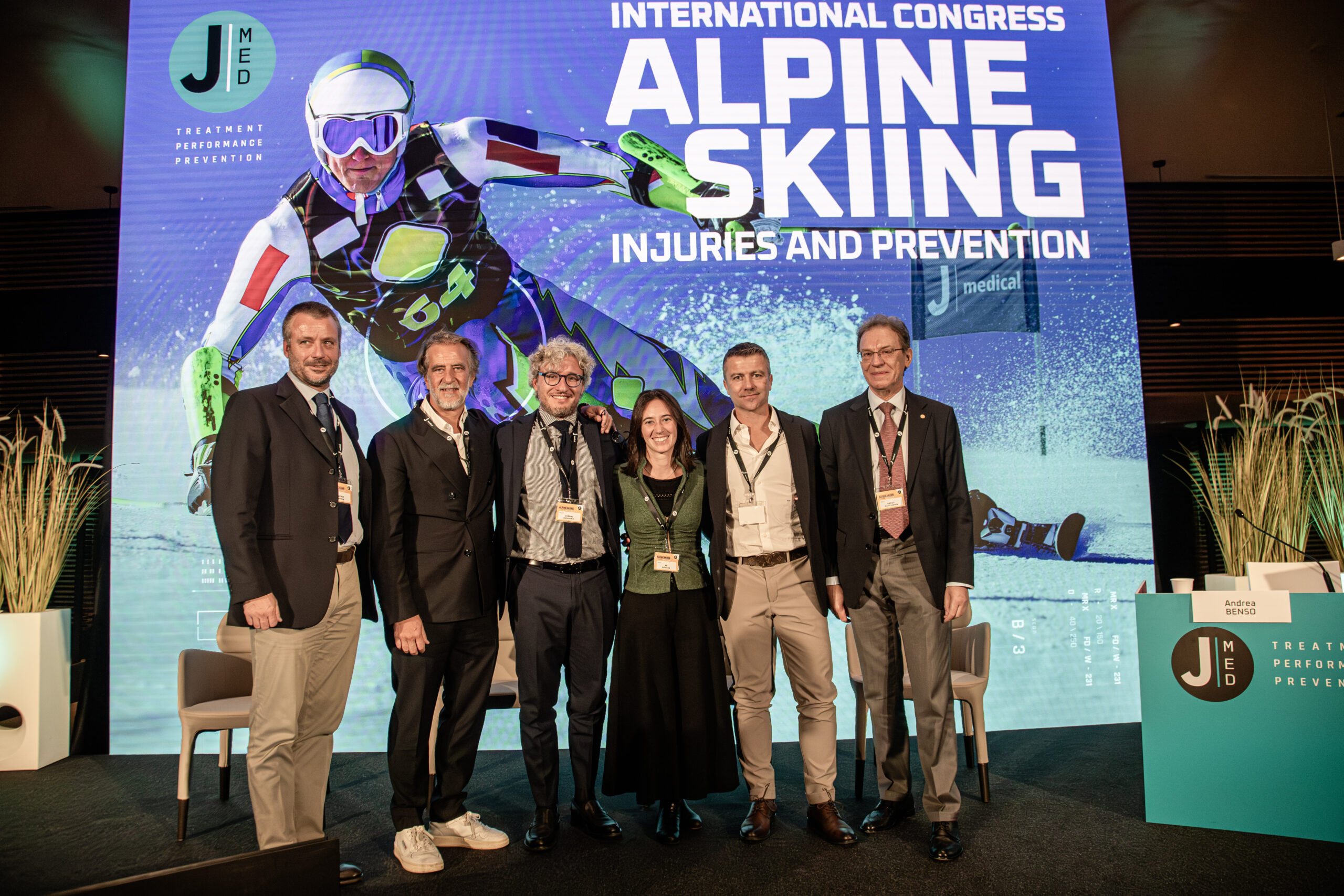
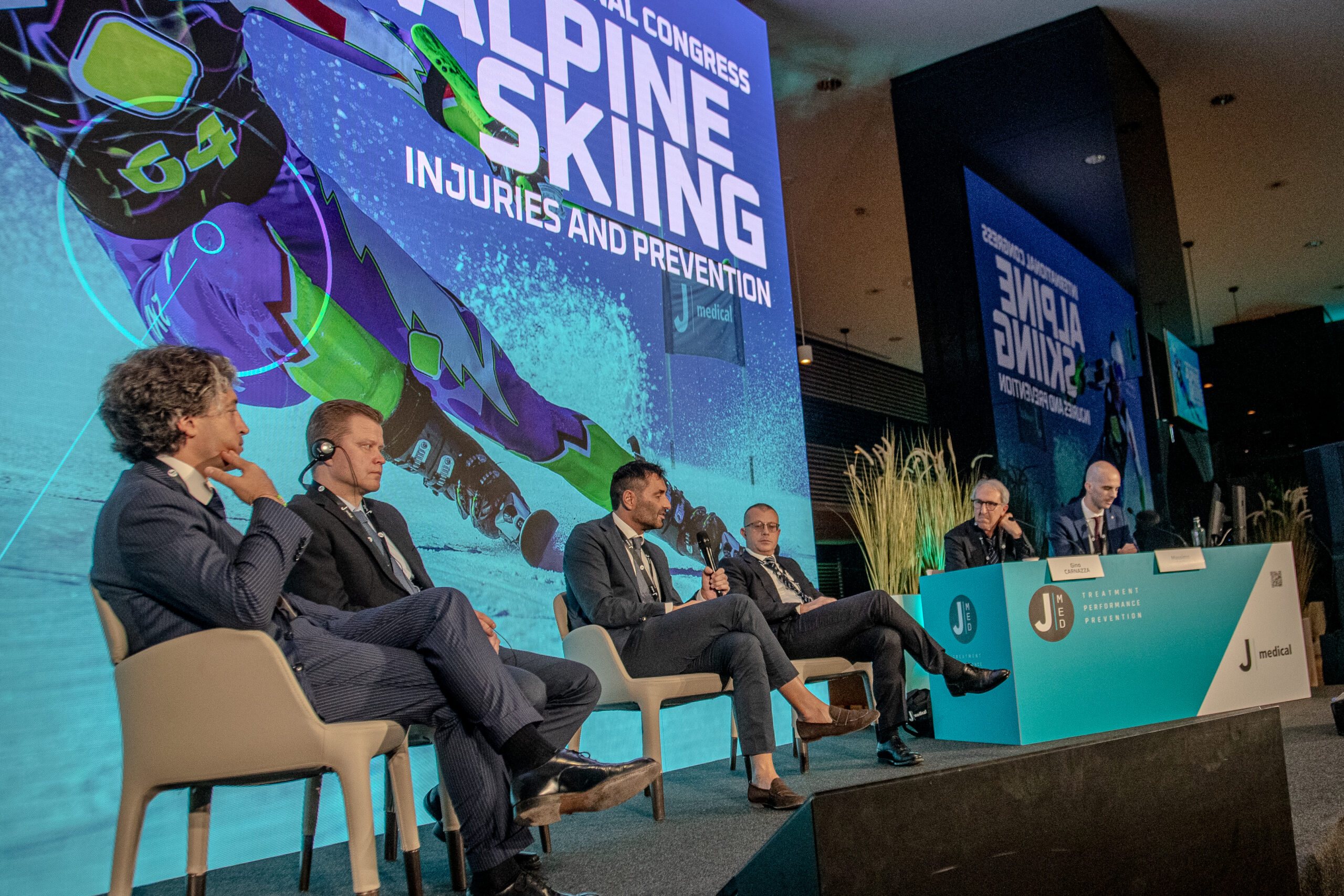
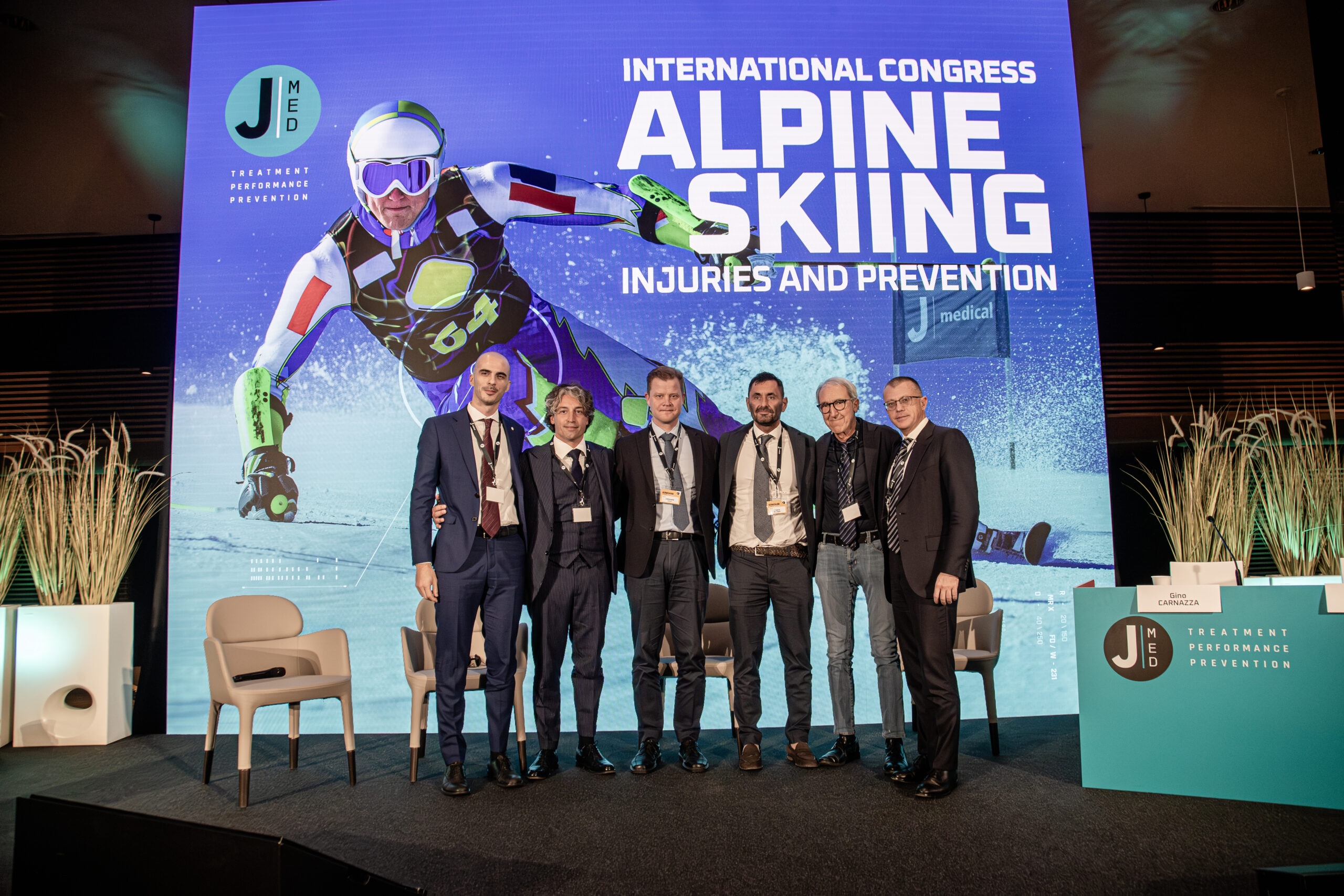
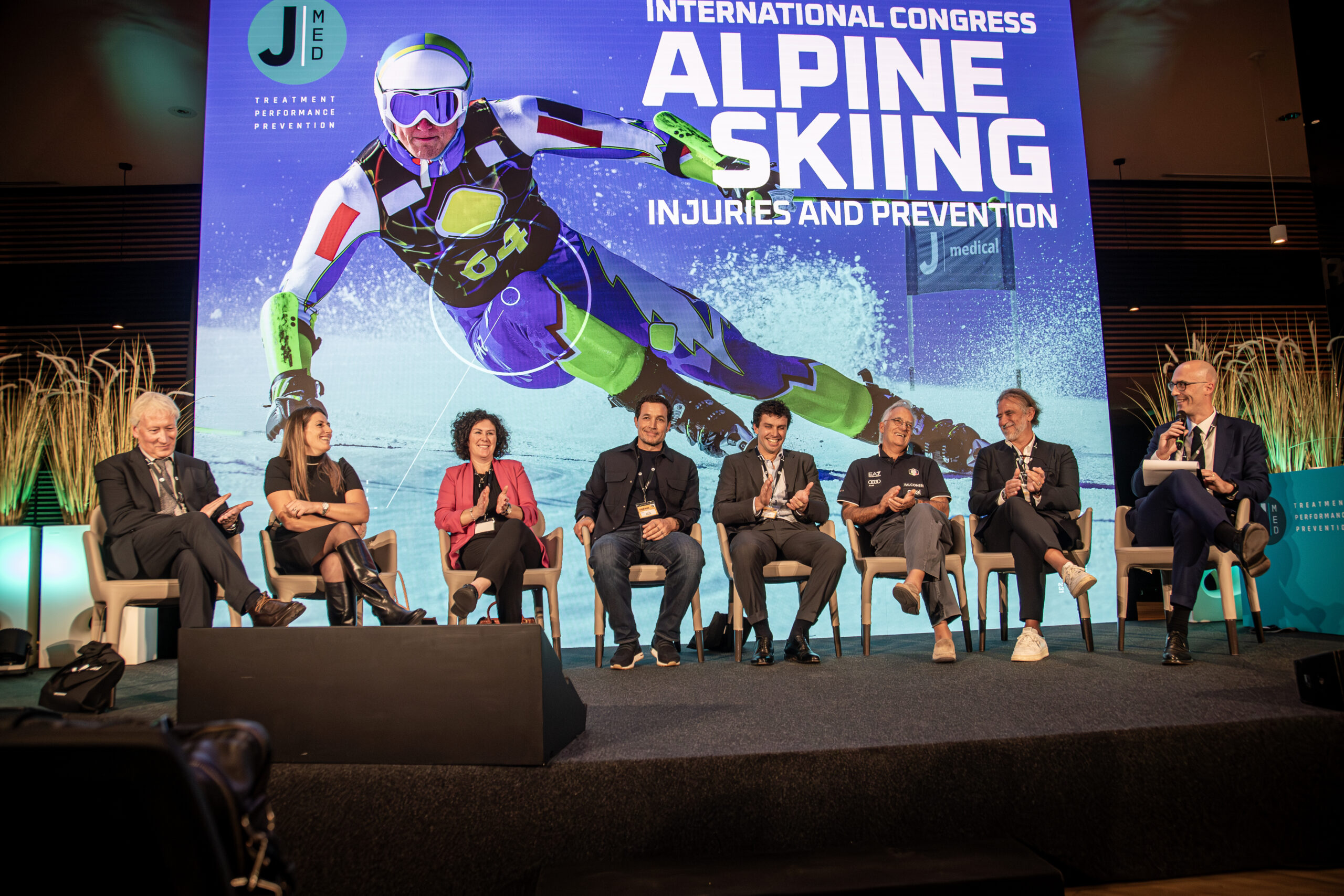
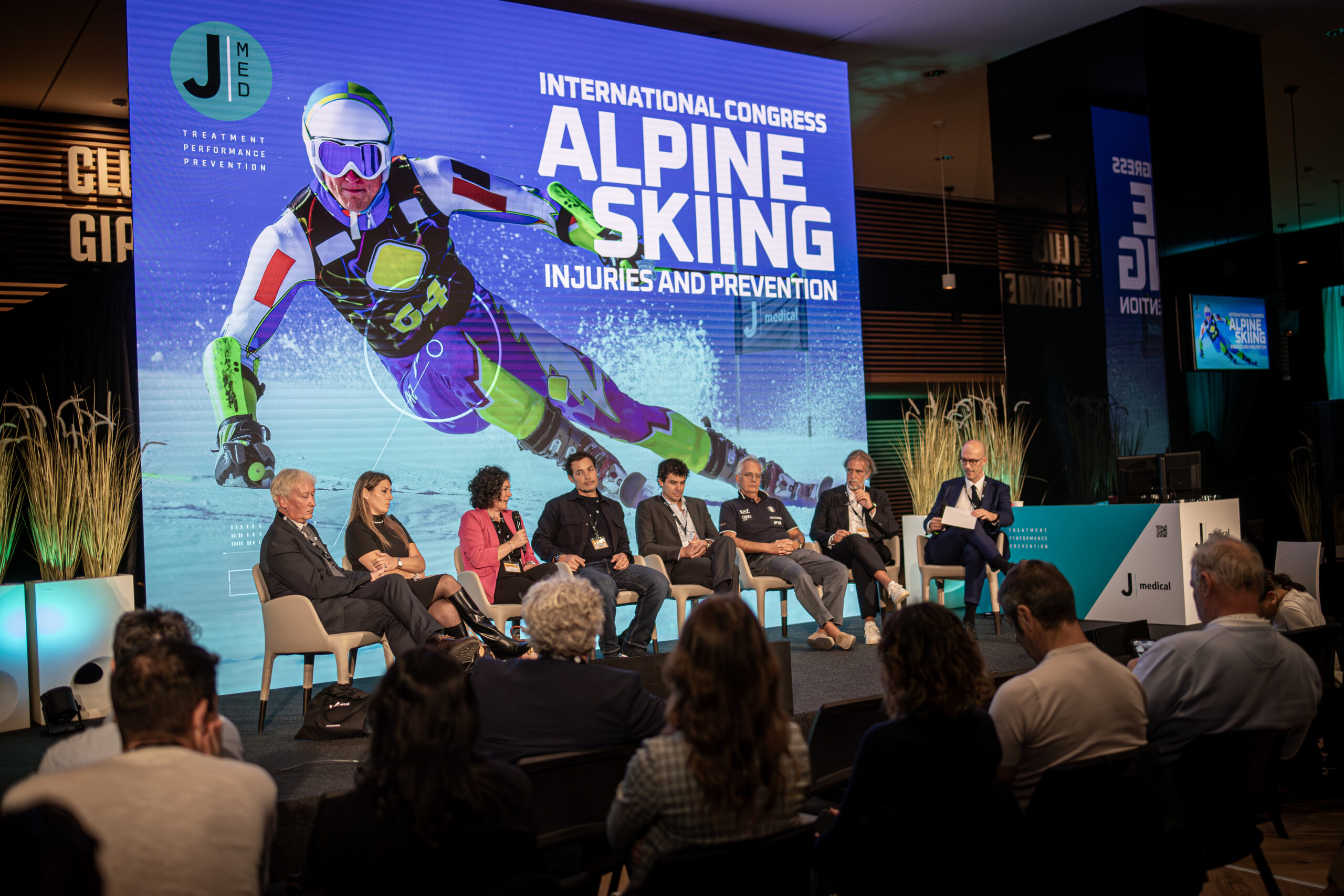
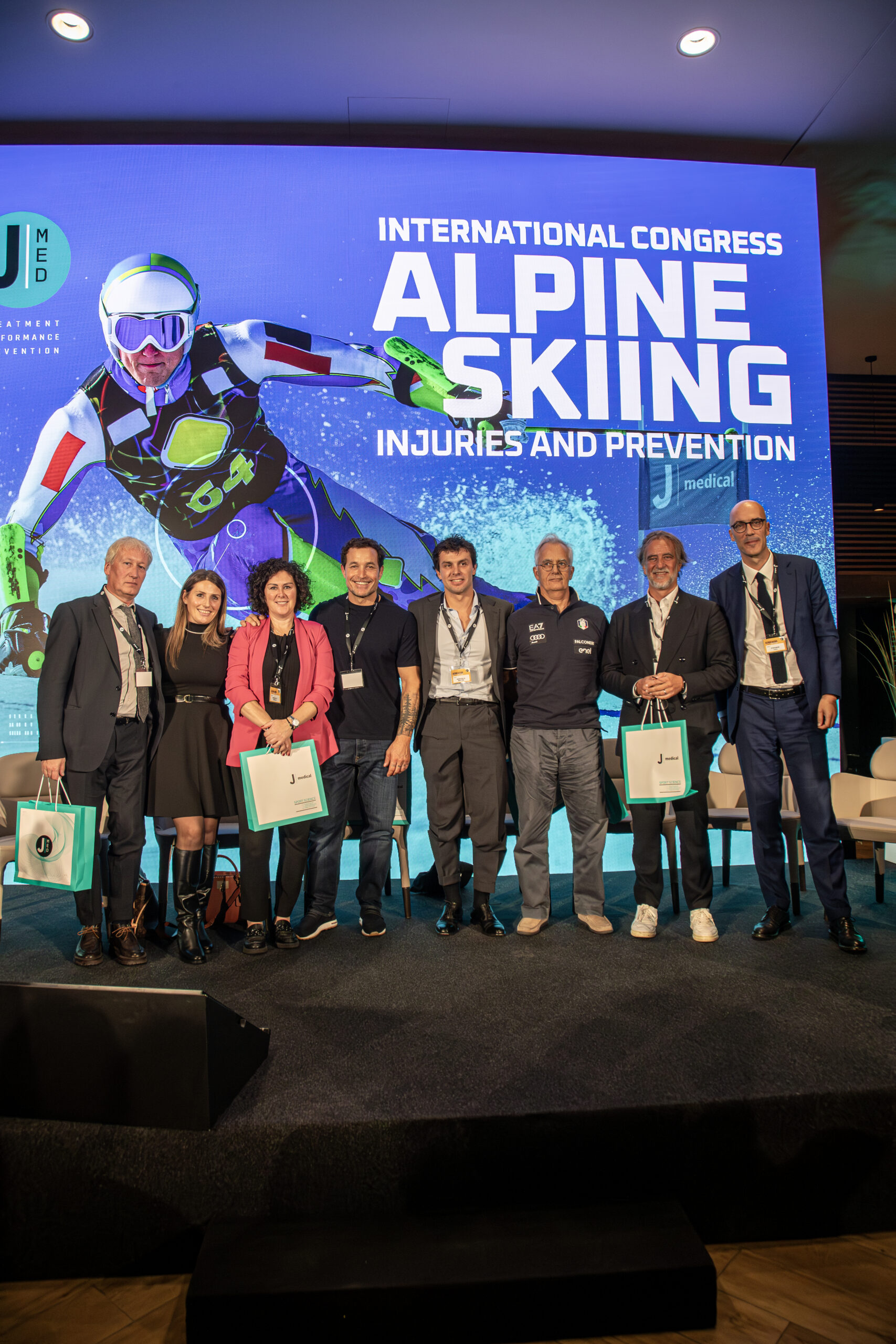
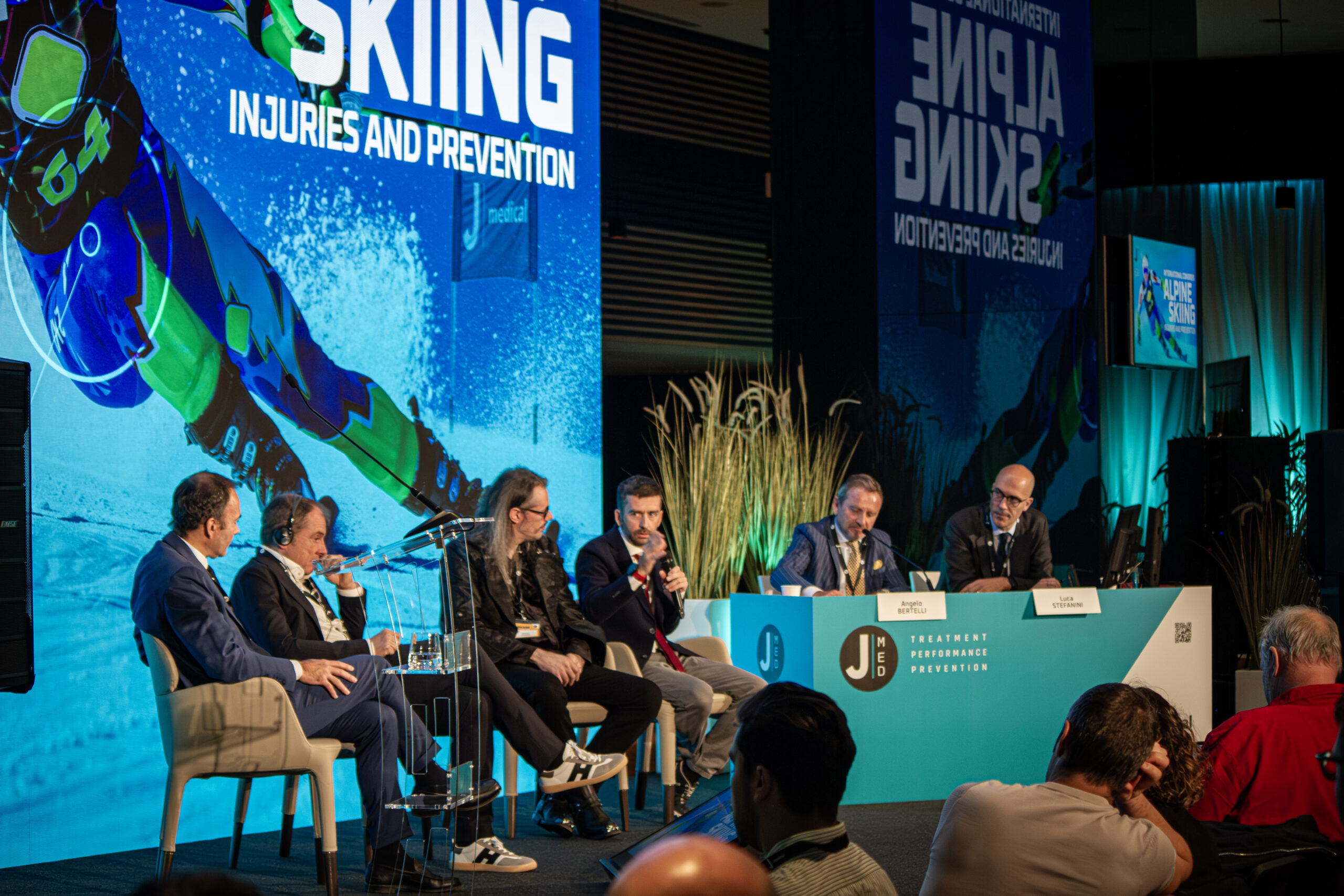
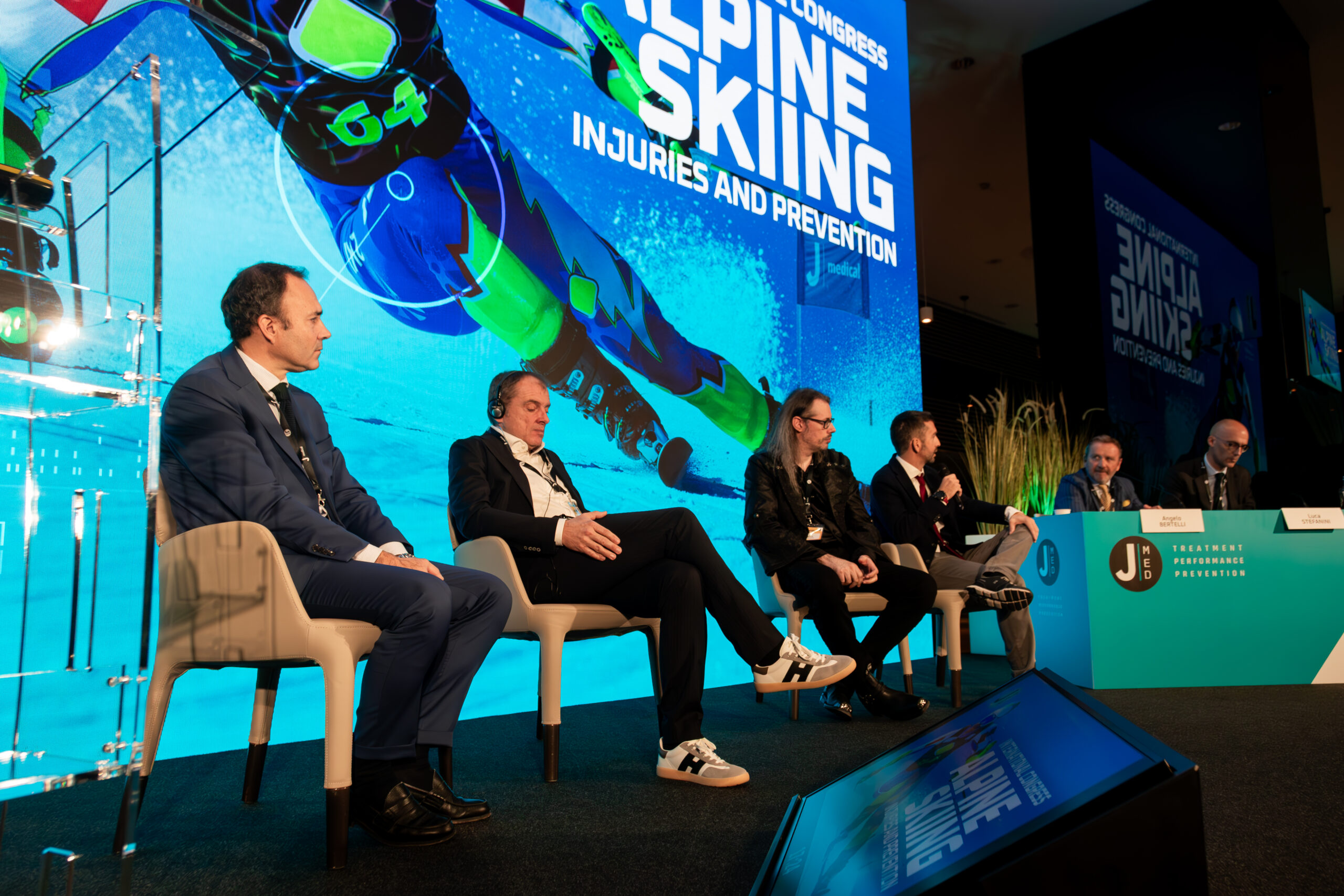
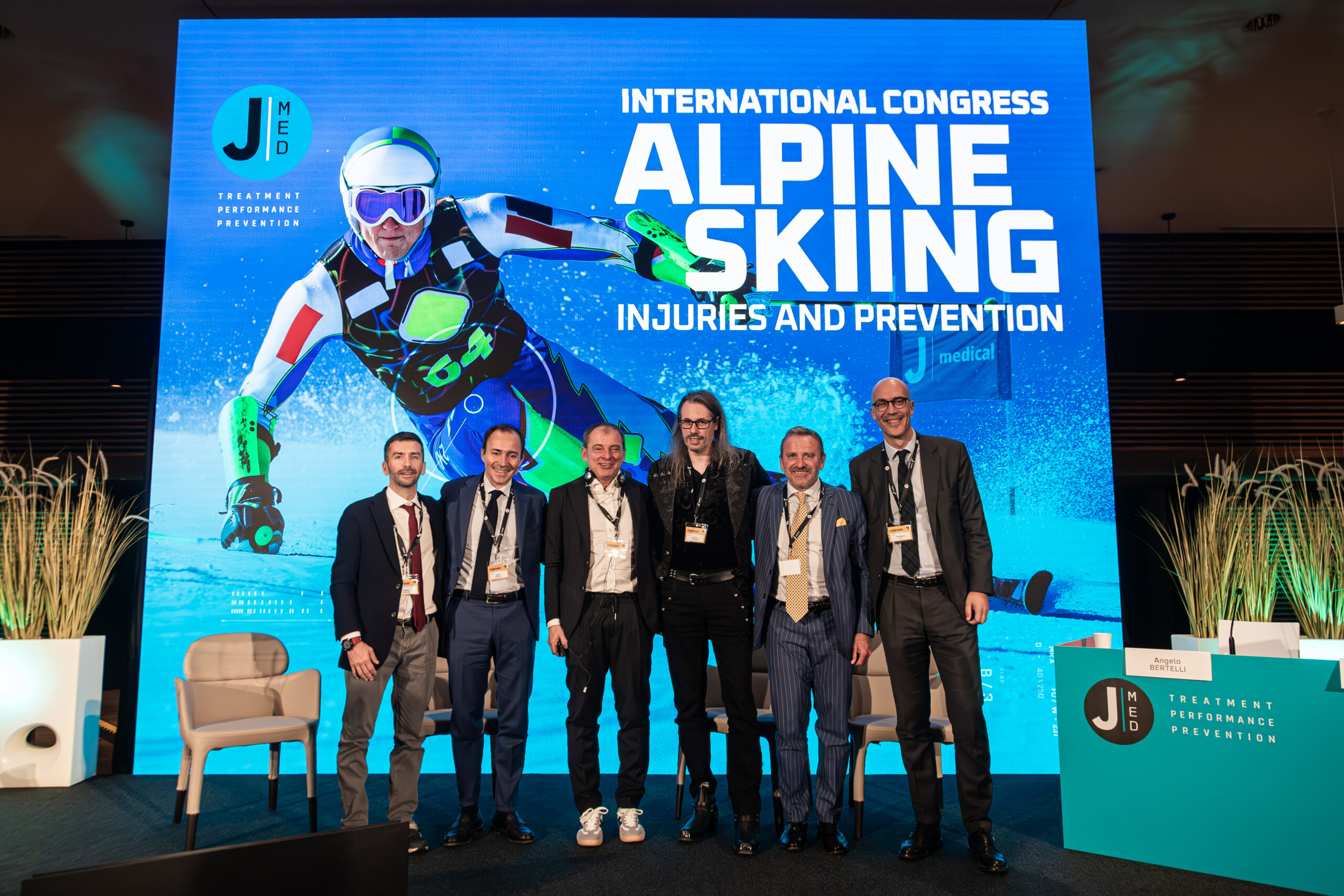
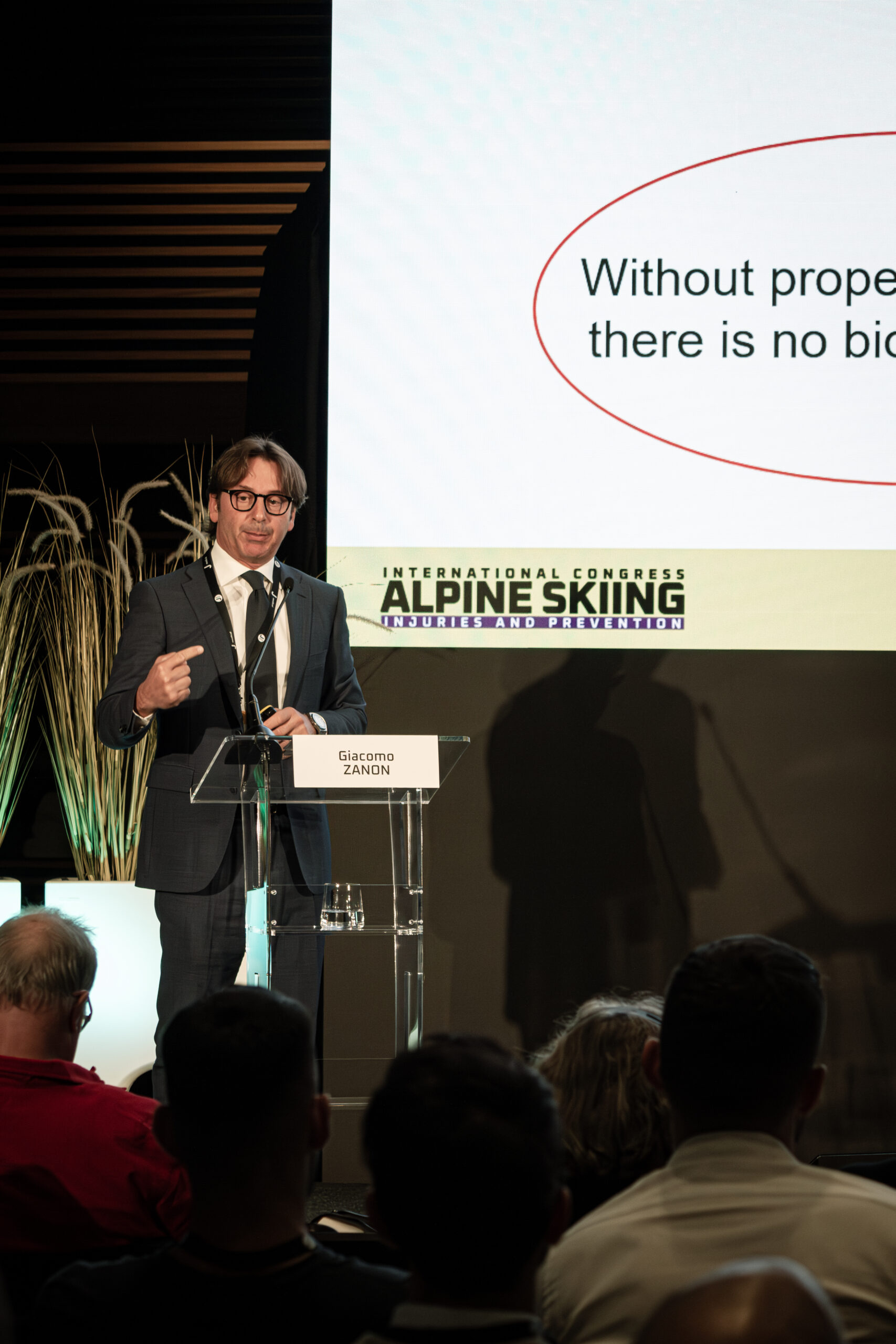
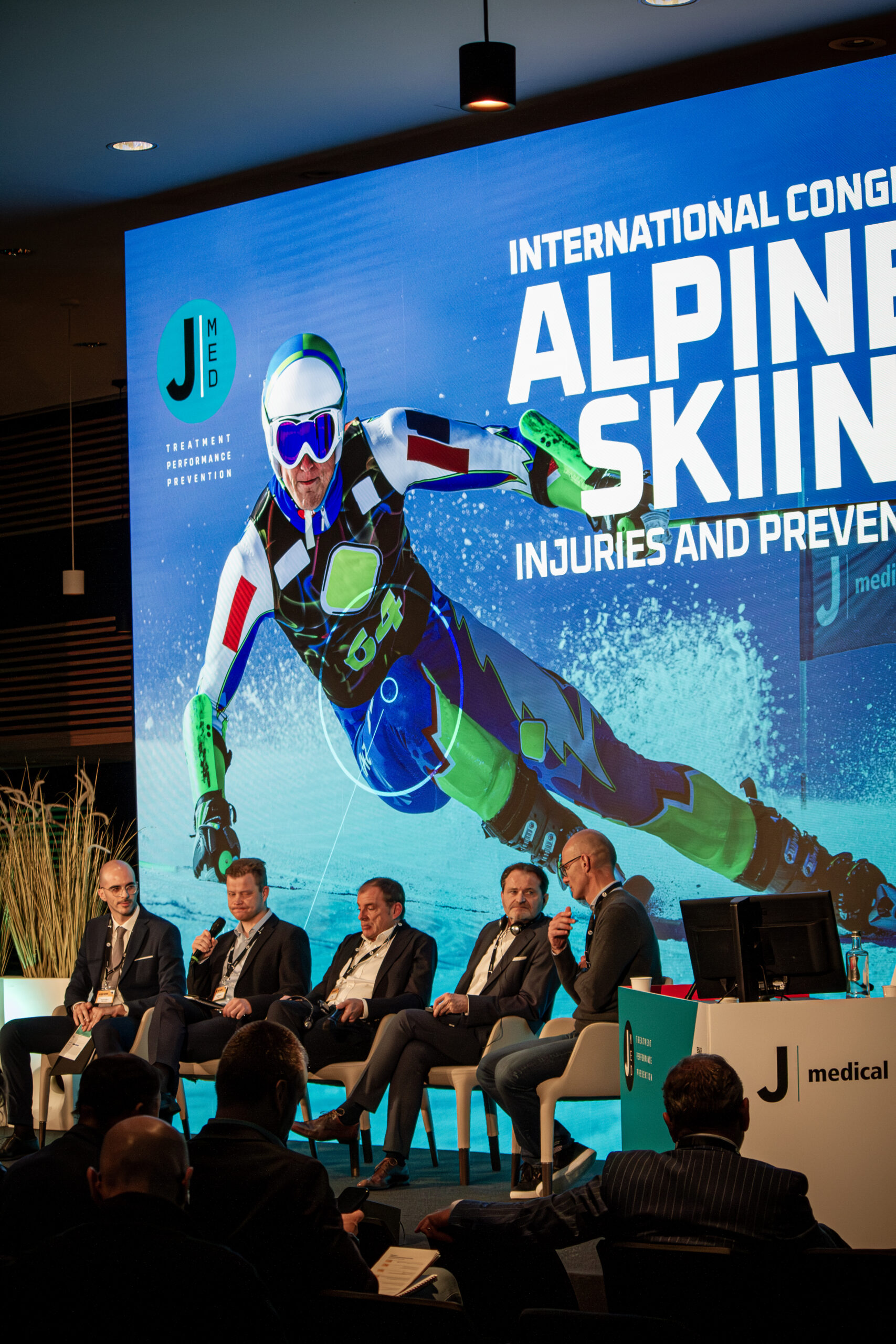
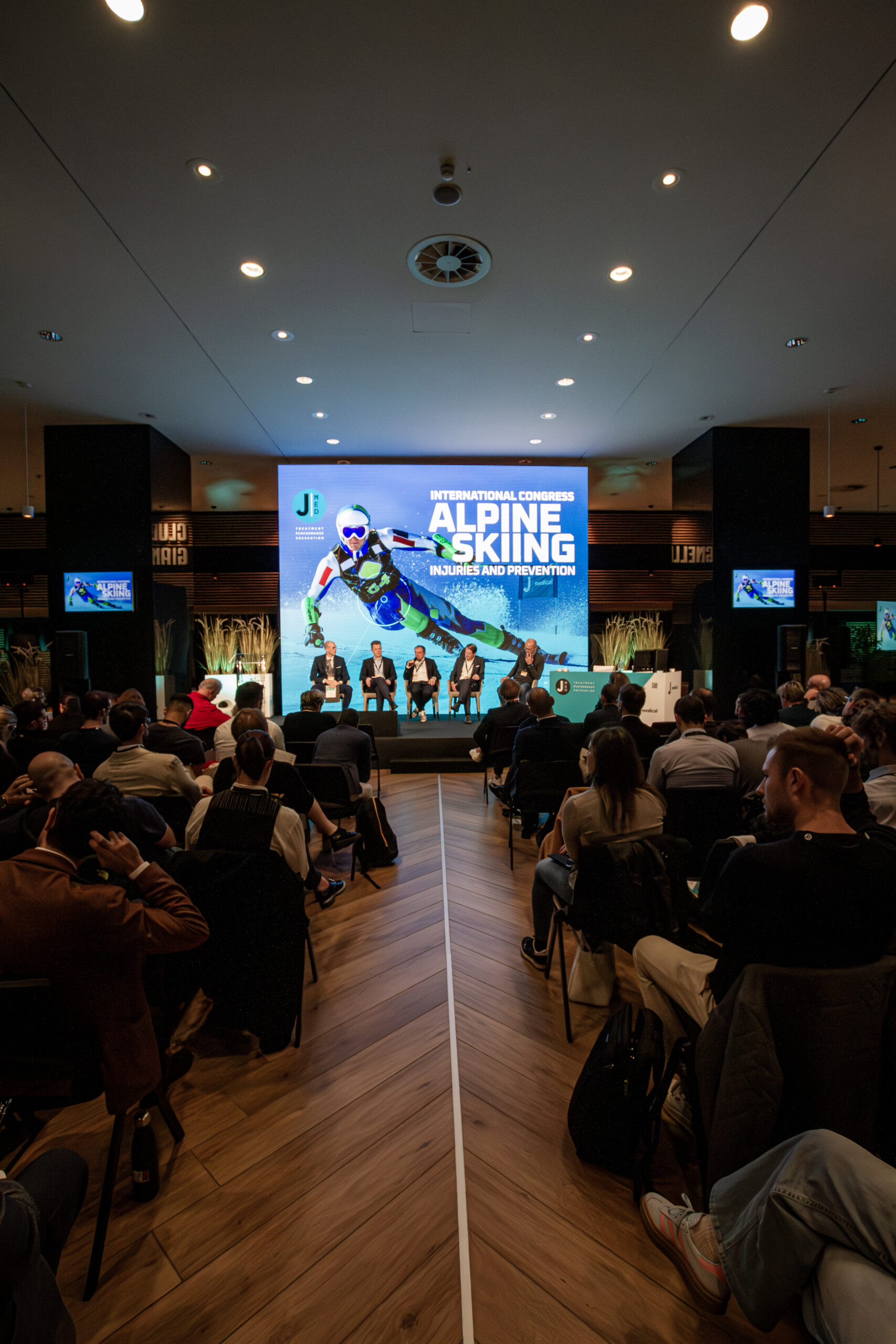
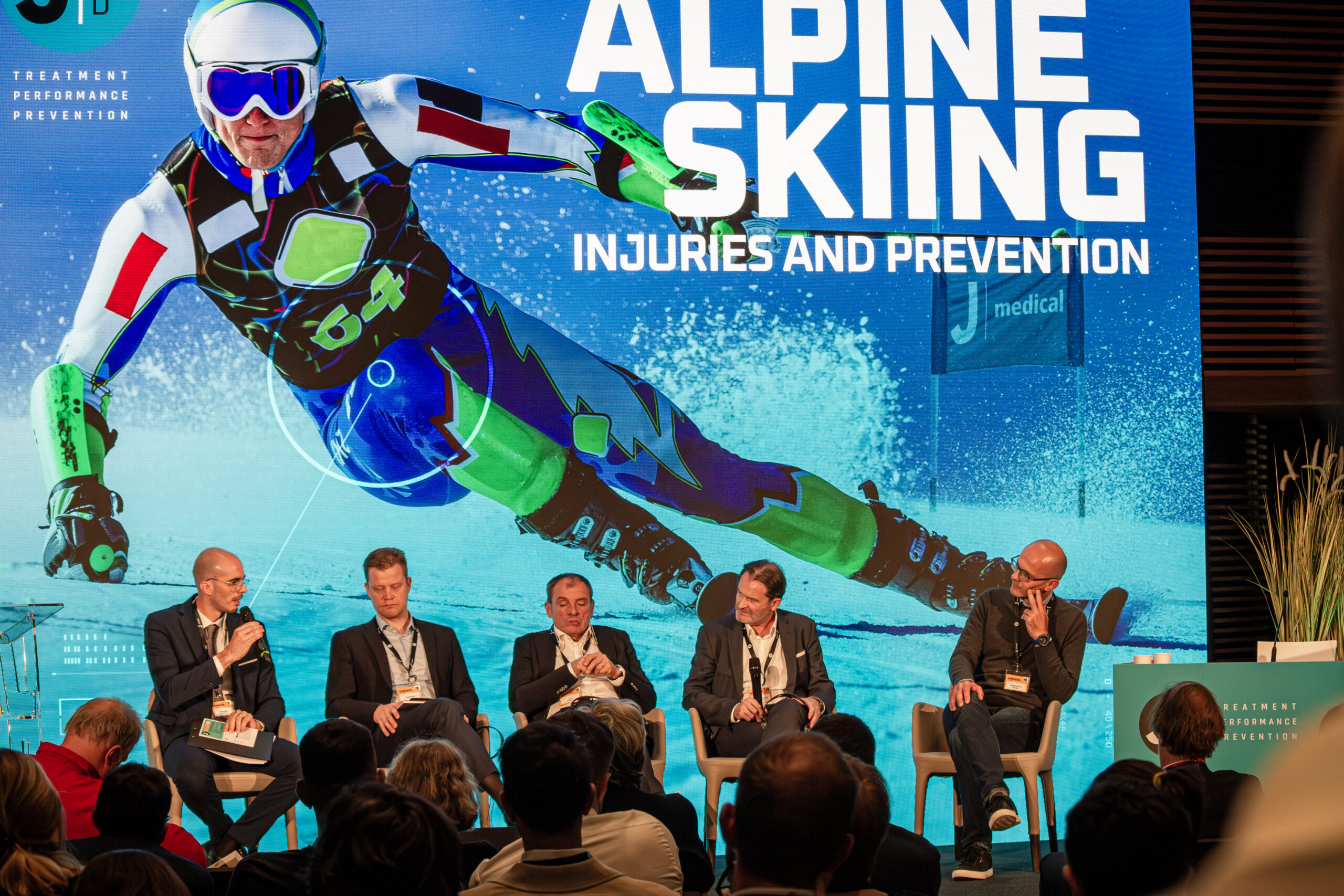
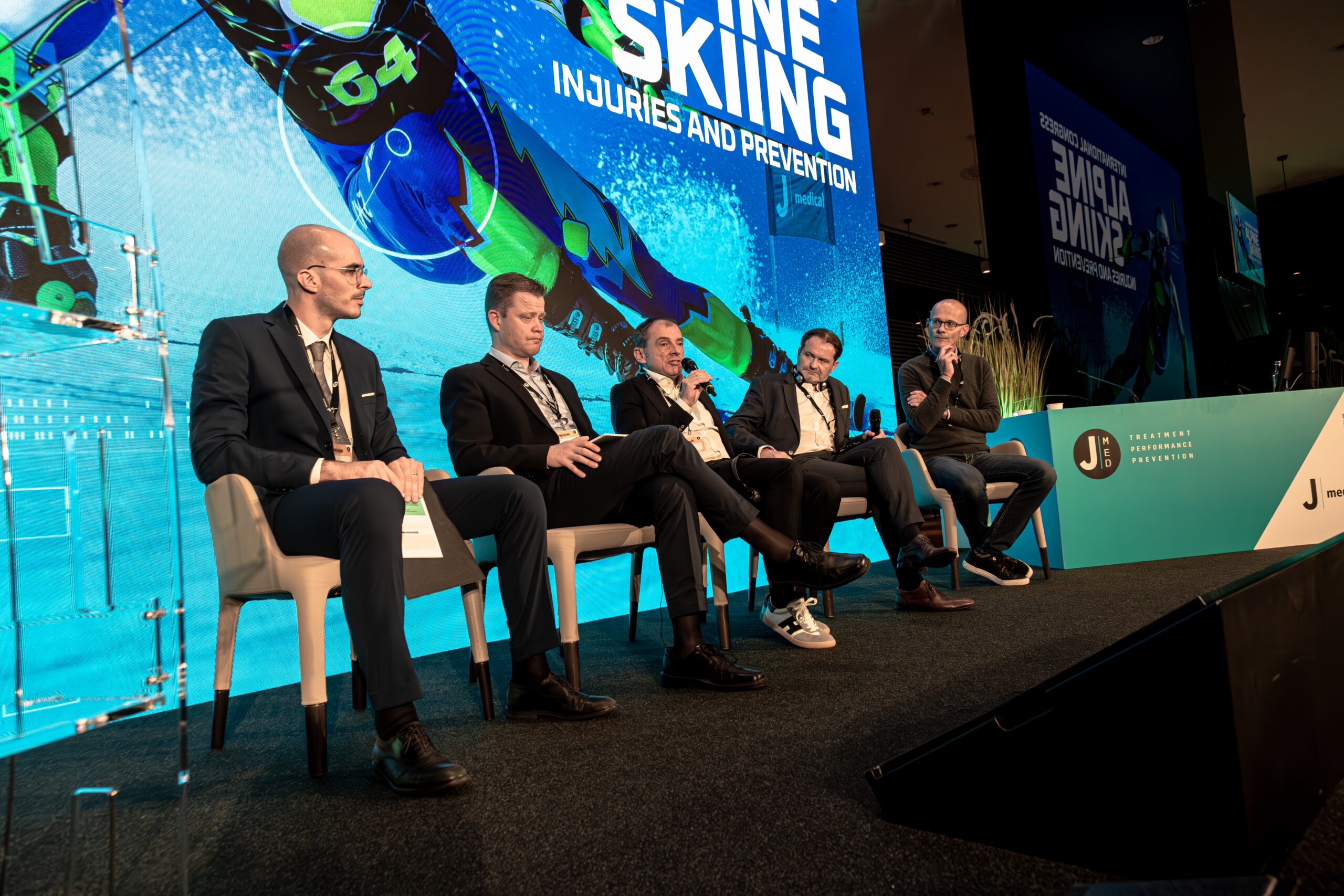
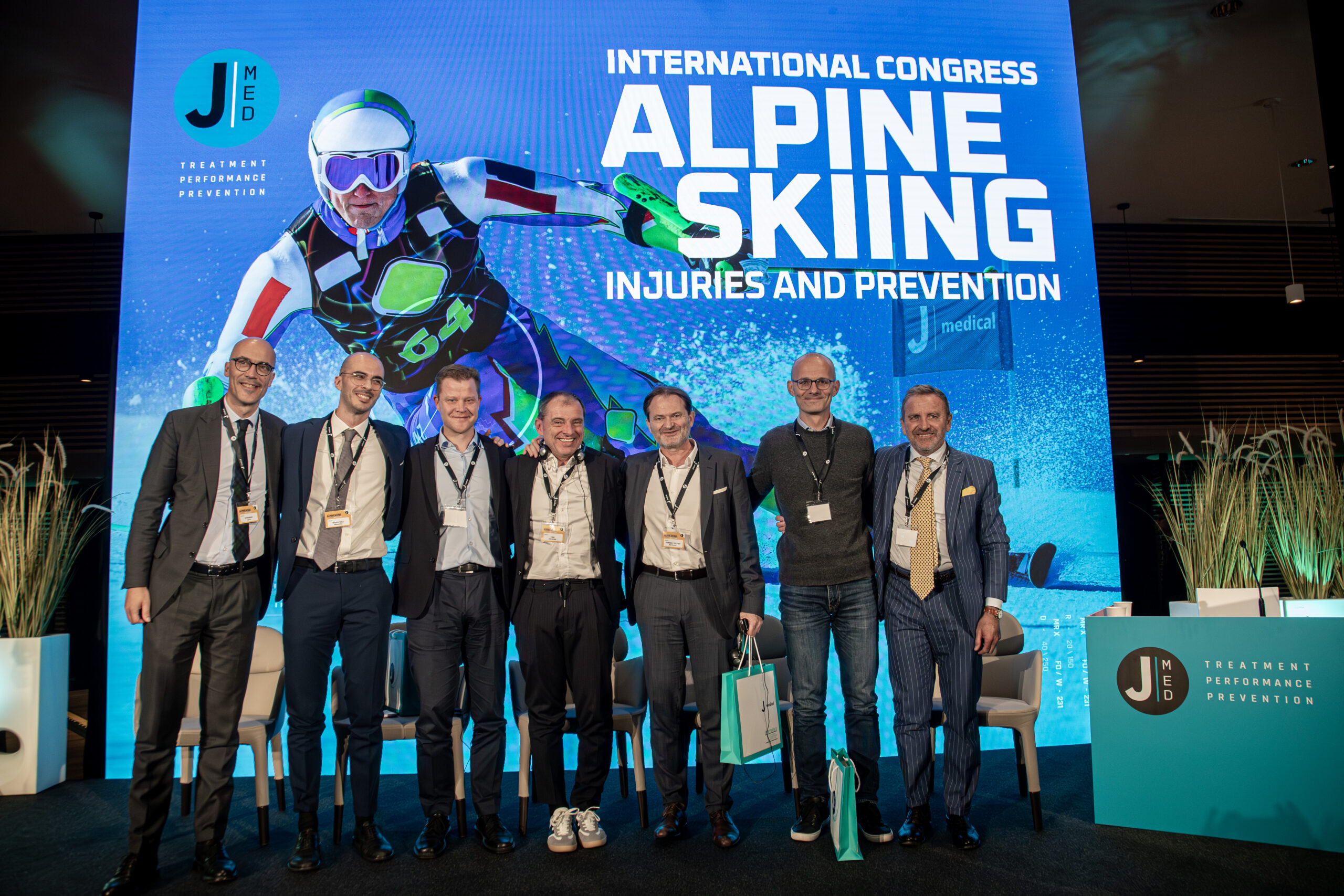
Alpine Skiing: Injuries and Prevention
Every sport, at any level of activity, requires specific physical and technical skills. Alpine skiing disciplines are no exception, presenting particular challenges in areas such as athletic preparation and the inherent risks associated with high speeds. For these reasons, athletes can rely on a dedicated support team comprising coaches, athletic trainers, physicians, and physiotherapists, all focused on two primary objectives: maximising performance and minimising time lost due to injury.
Injury in these disciplines is indeed a frequent occurrence, often entailing medium-to-long recovery timescales before returning to previous performance levels. In this context, the collaboration between the athlete's entourage, the clinician, and the surgeon plays a fundamental role, in a spirit of sharing perspectives and insights aimed at achieving the best possible functional recovery.
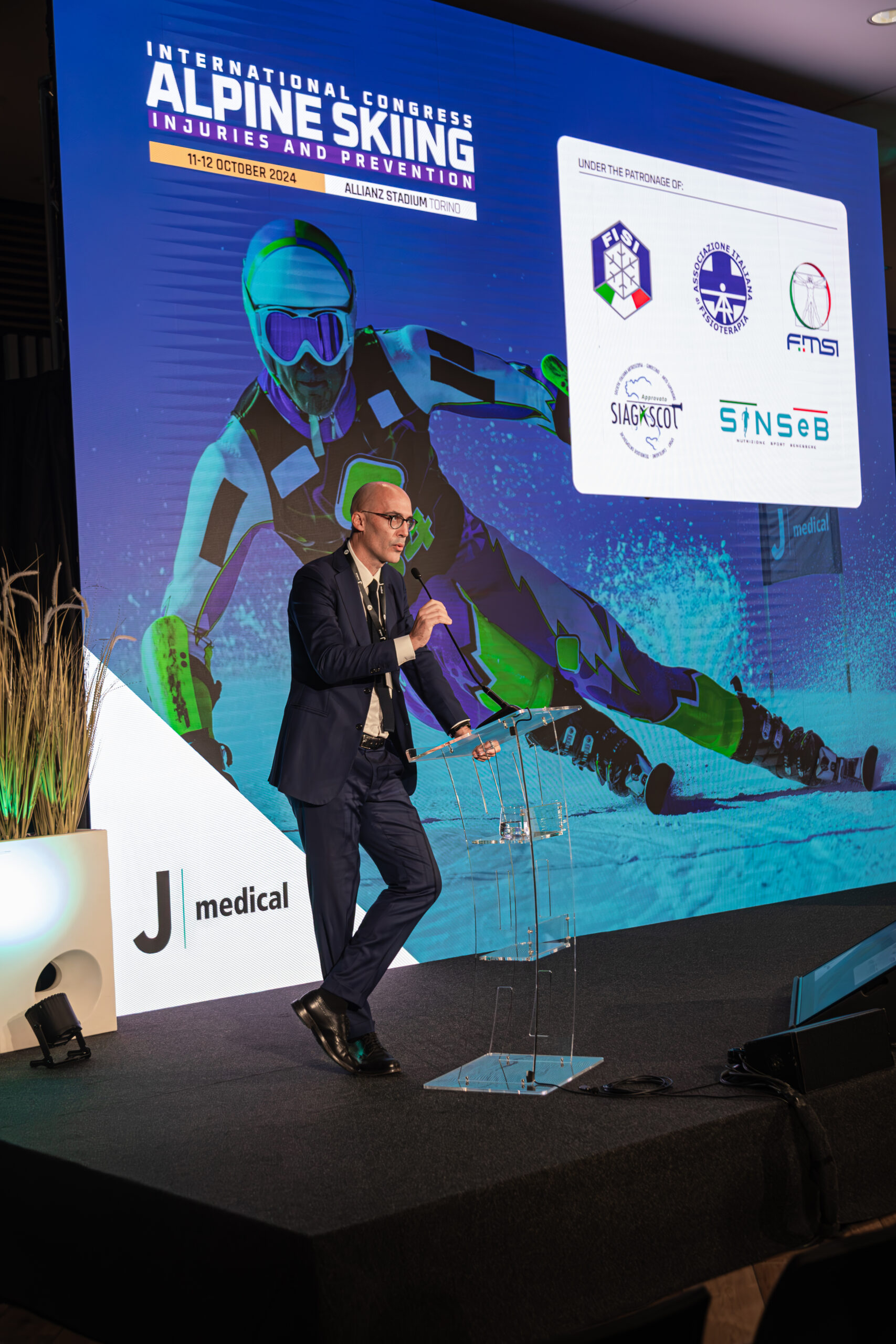
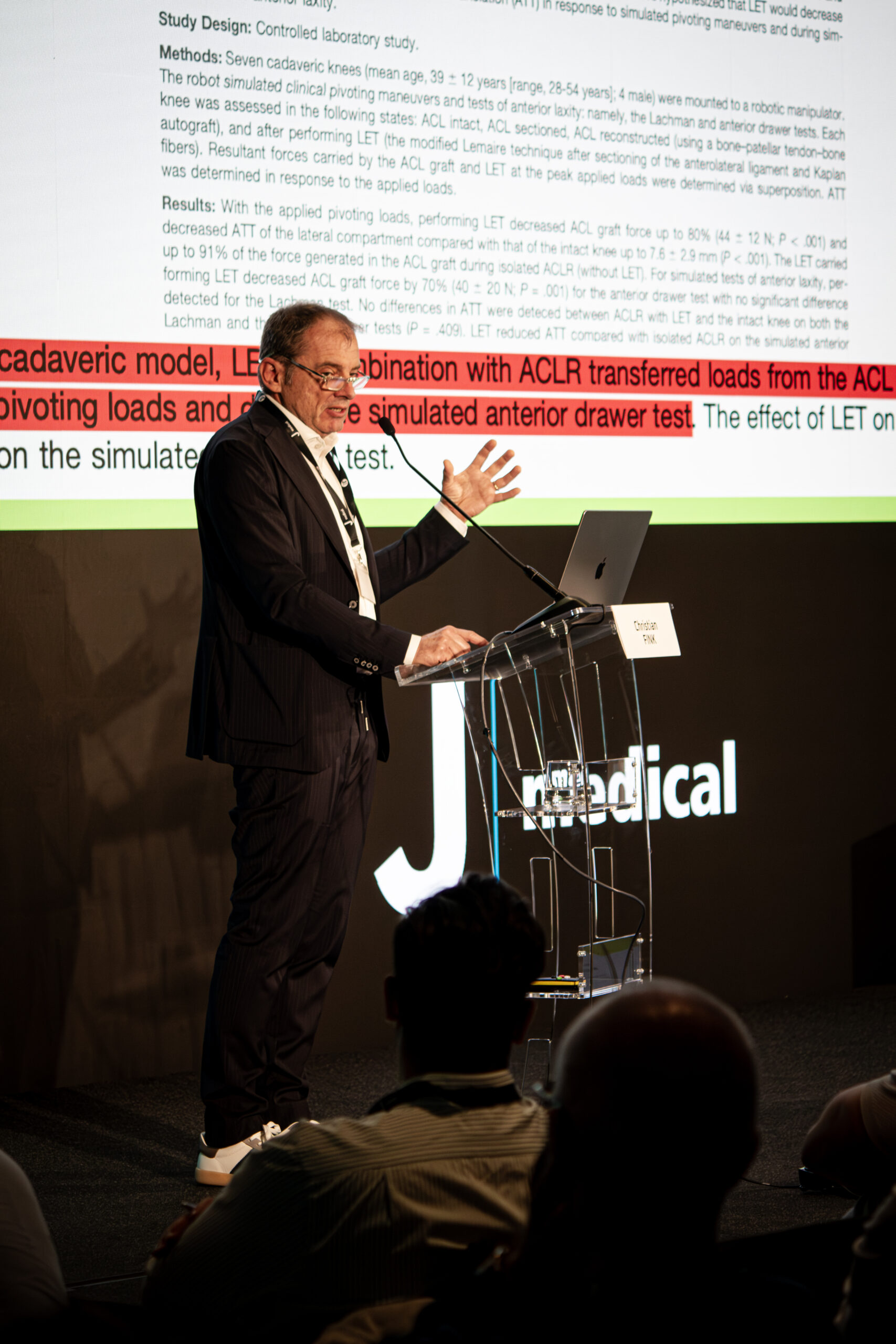
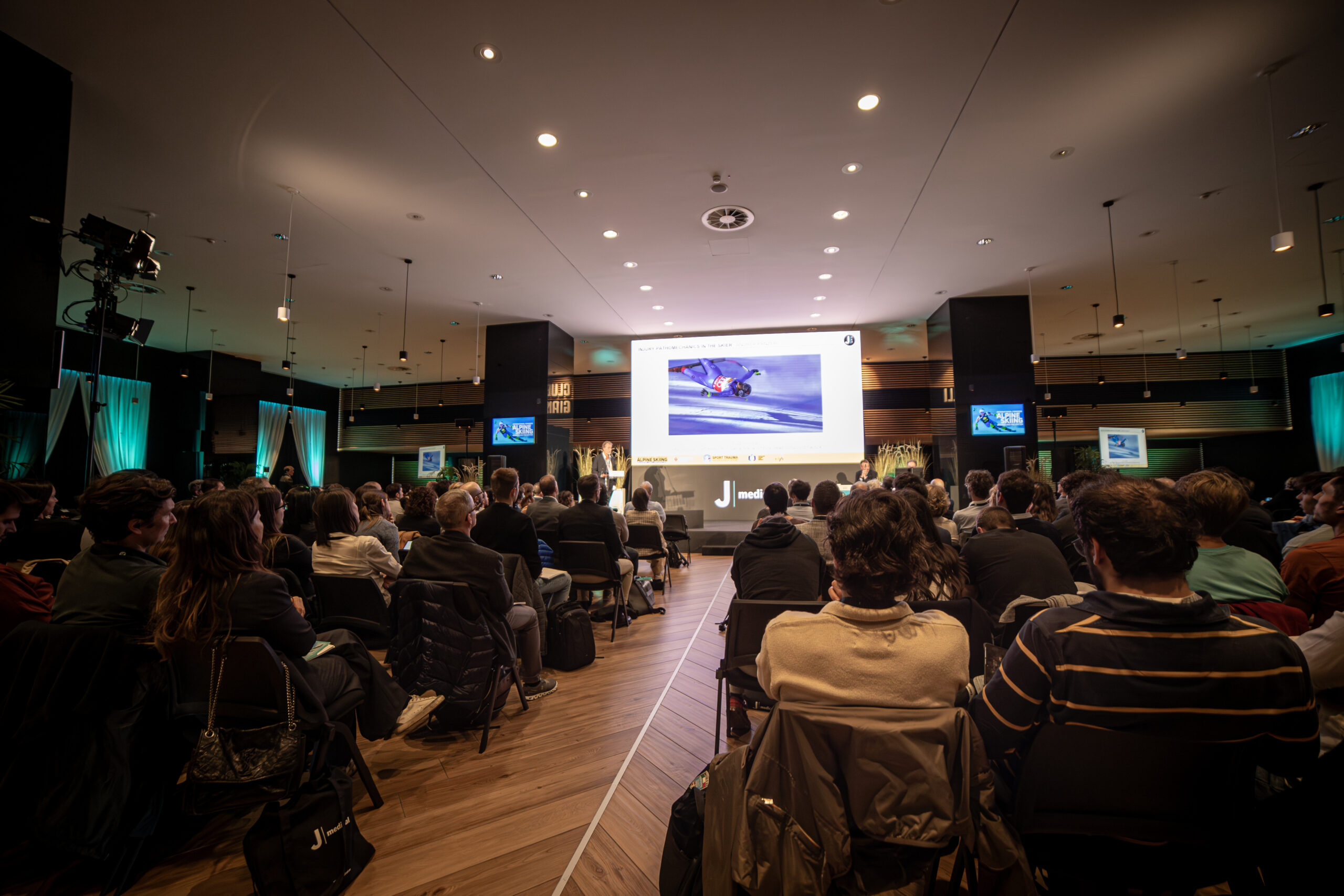
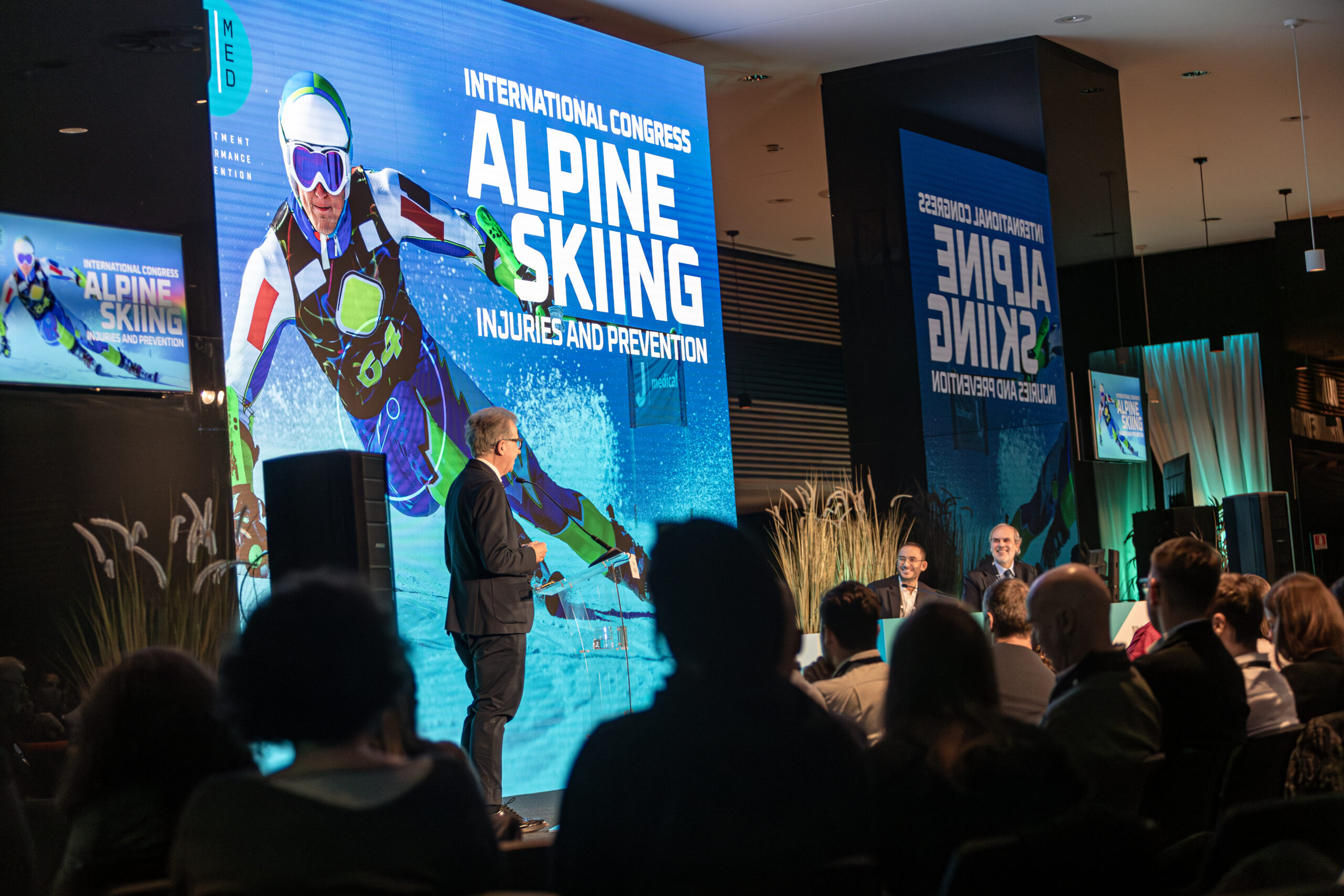
The Congress aims to address in depth all phases of injury in alpine skiing: prevention, treatment, and return to performance.
To achieve this, J|medical has brought together prominent national and international opinion leaders, with the aim of sharing not only the most up-to-date scientific evidence, but also their own clinical experience, fostering a productive exchange between different professional contexts.
The city of Turin, with its strong connection to winter sports — as evidenced by the previous Italian edition of the Winter Olympics in 2006 — provides an ideal setting for the event, positioned on the path leading to the Turin Winter Universiade (2025) and the Milan-Cortina Winter Olympics (2026).
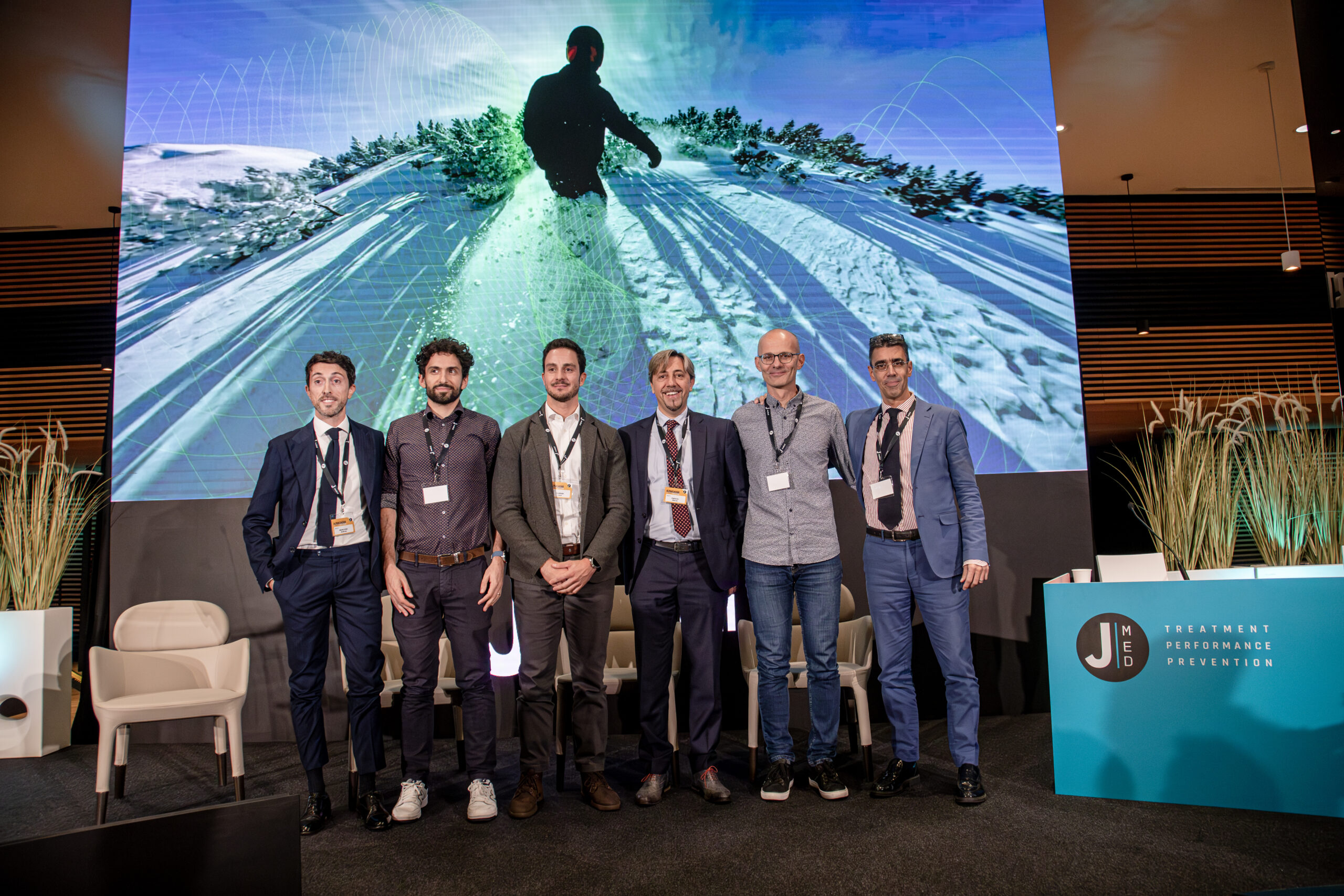
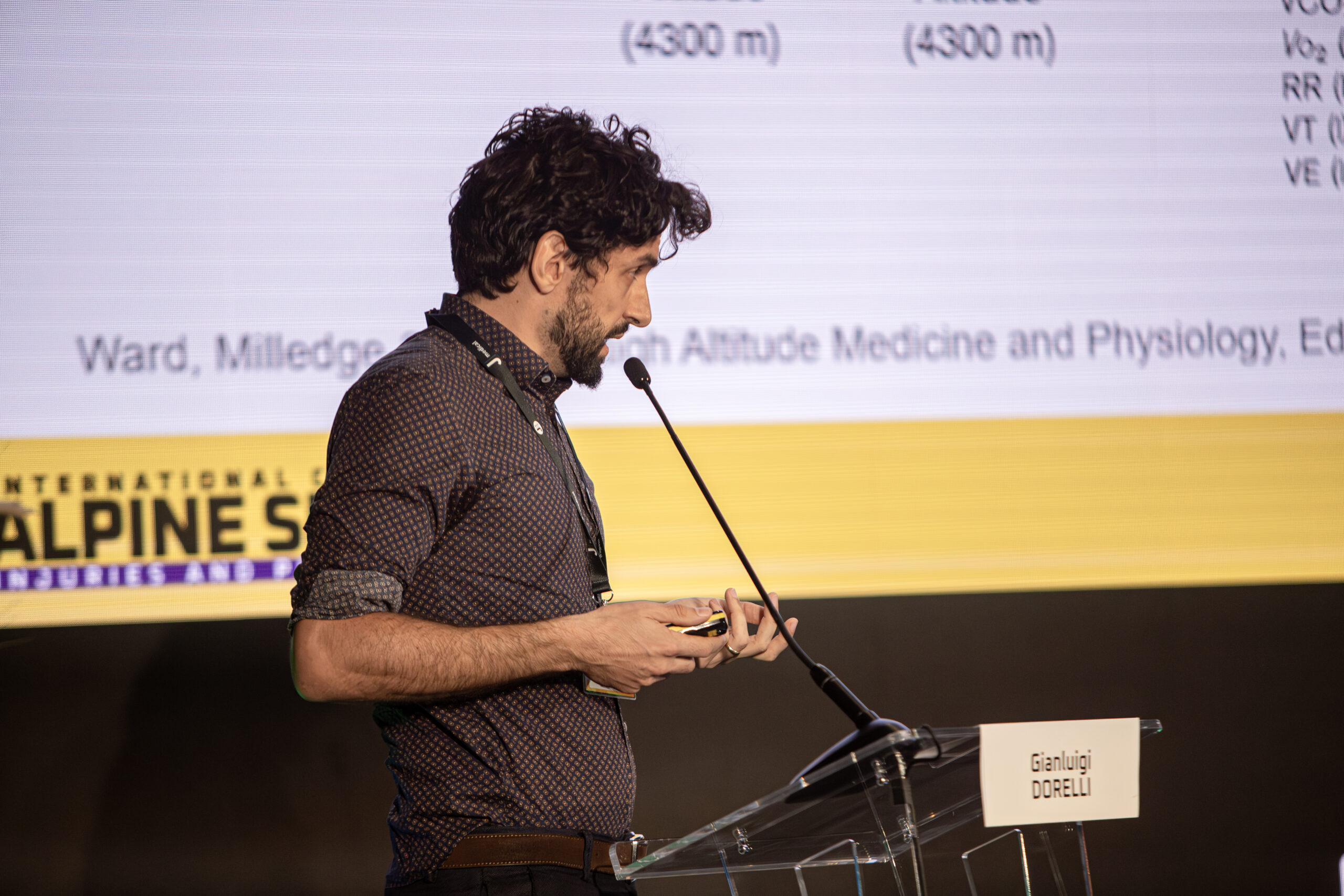
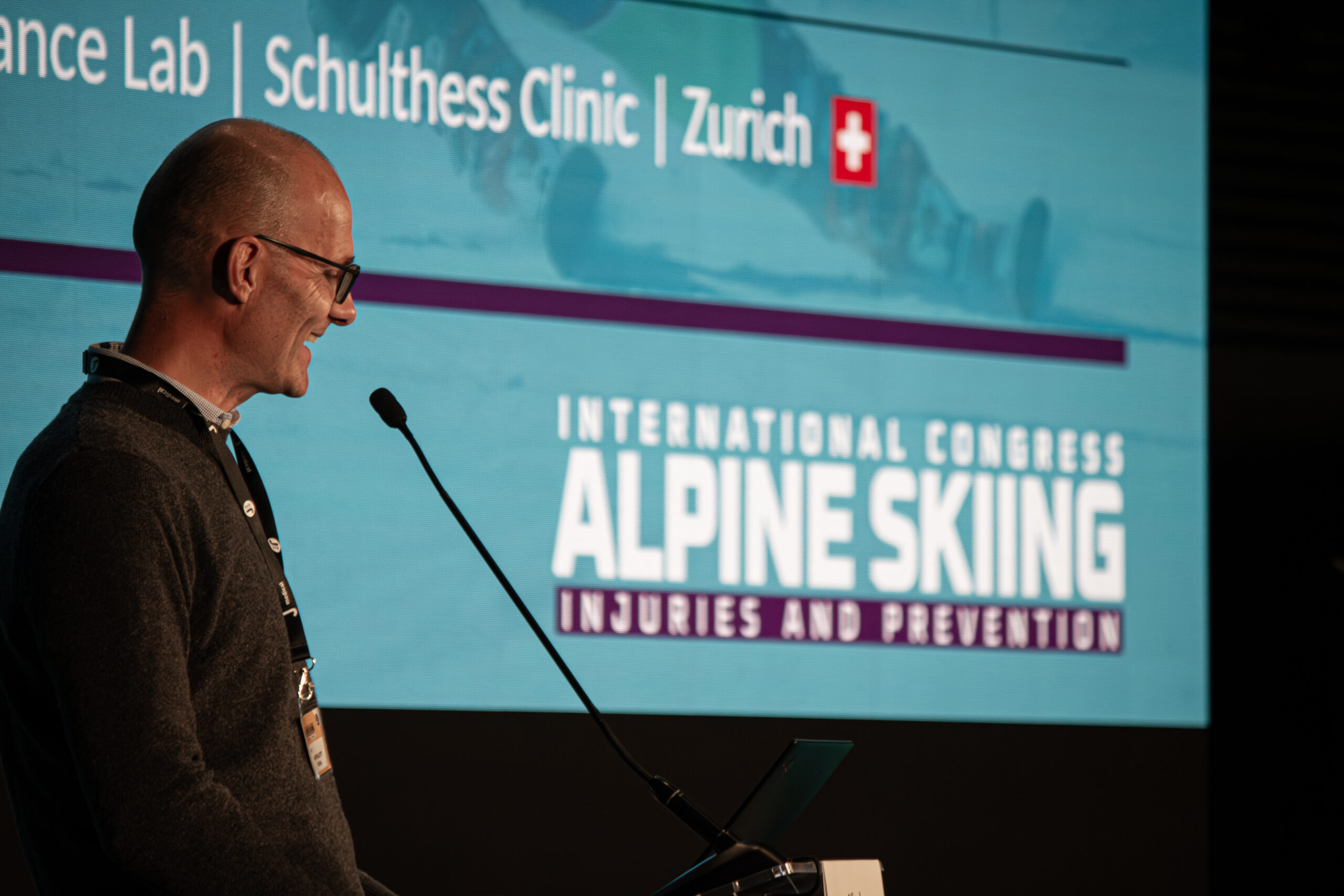
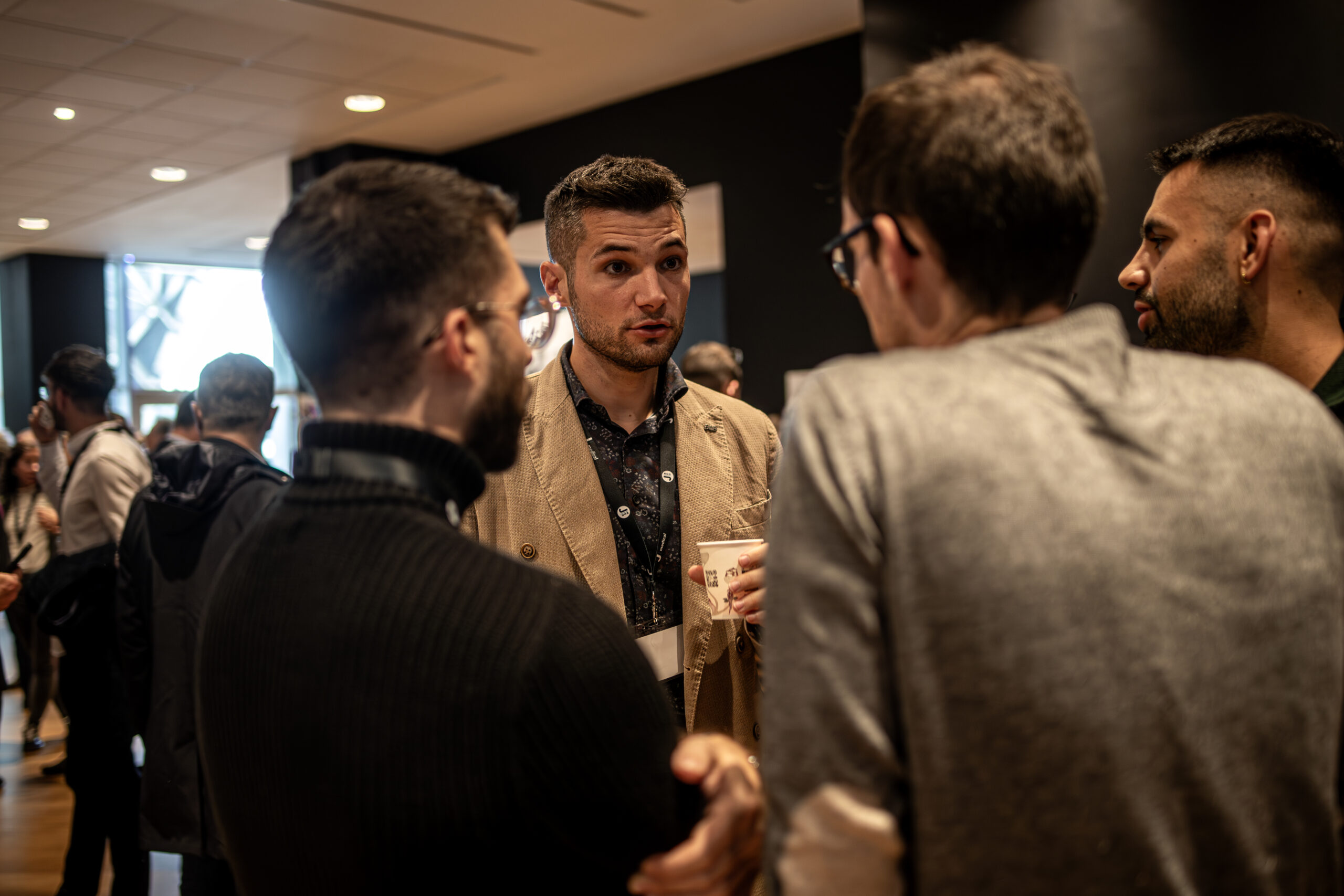
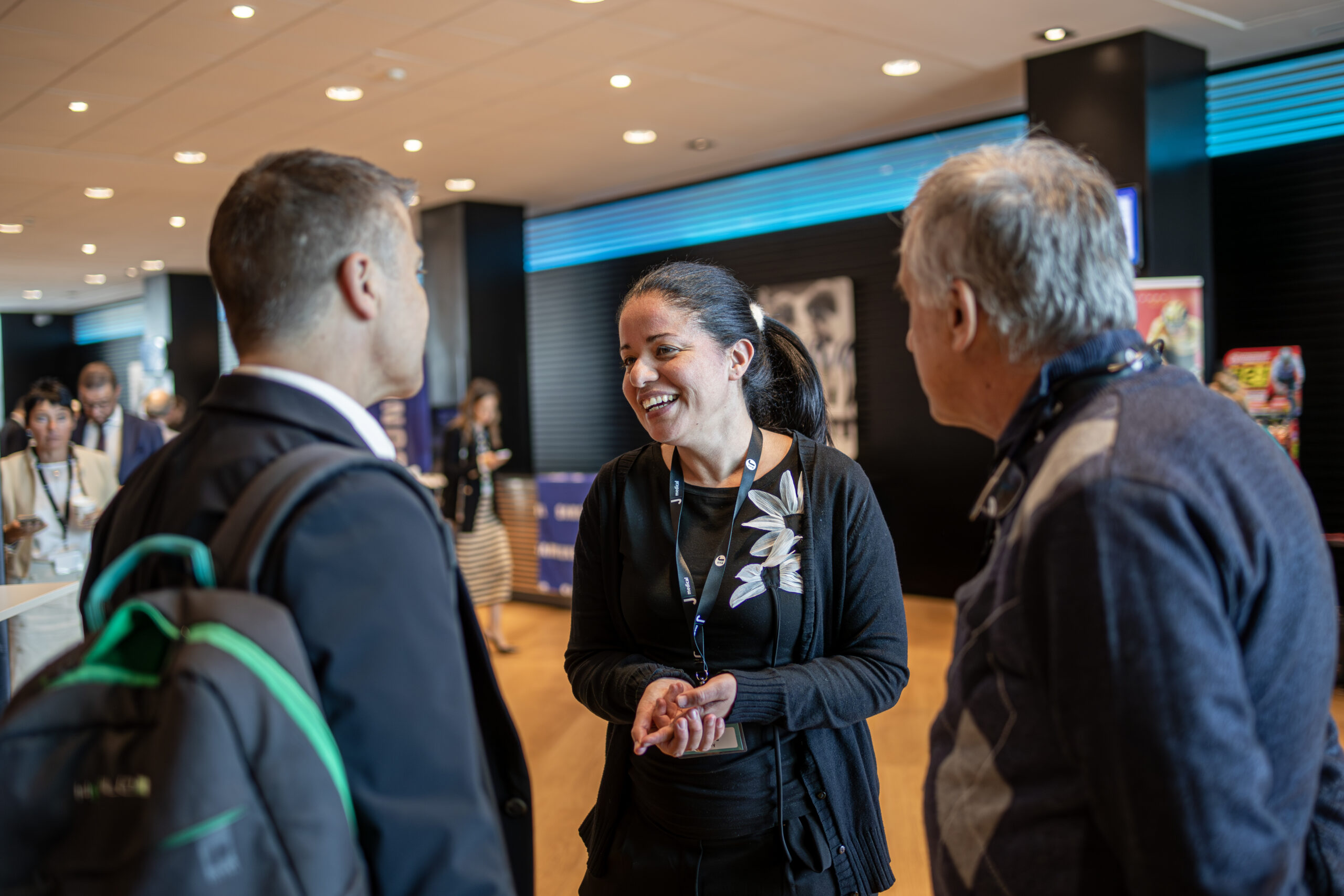
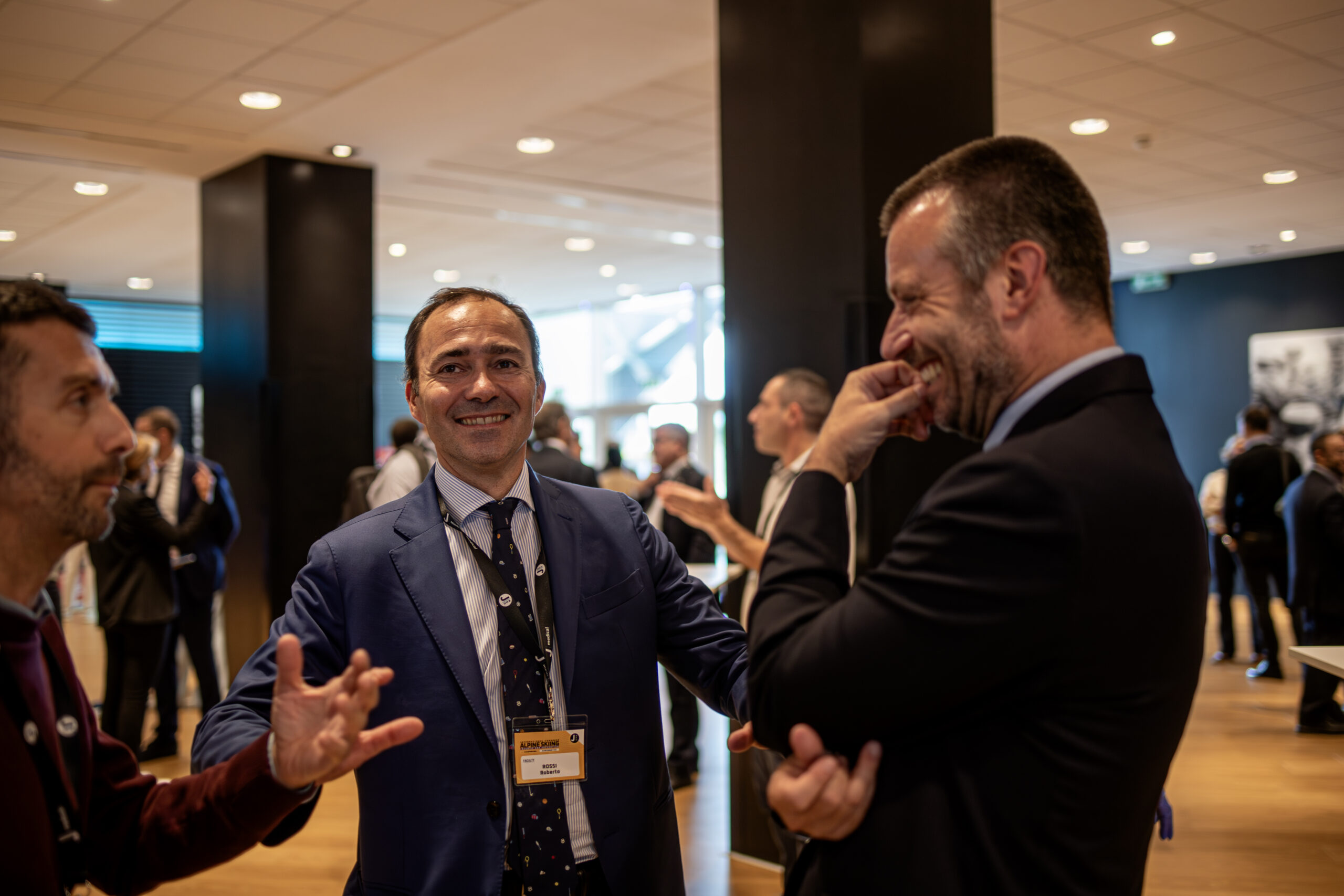
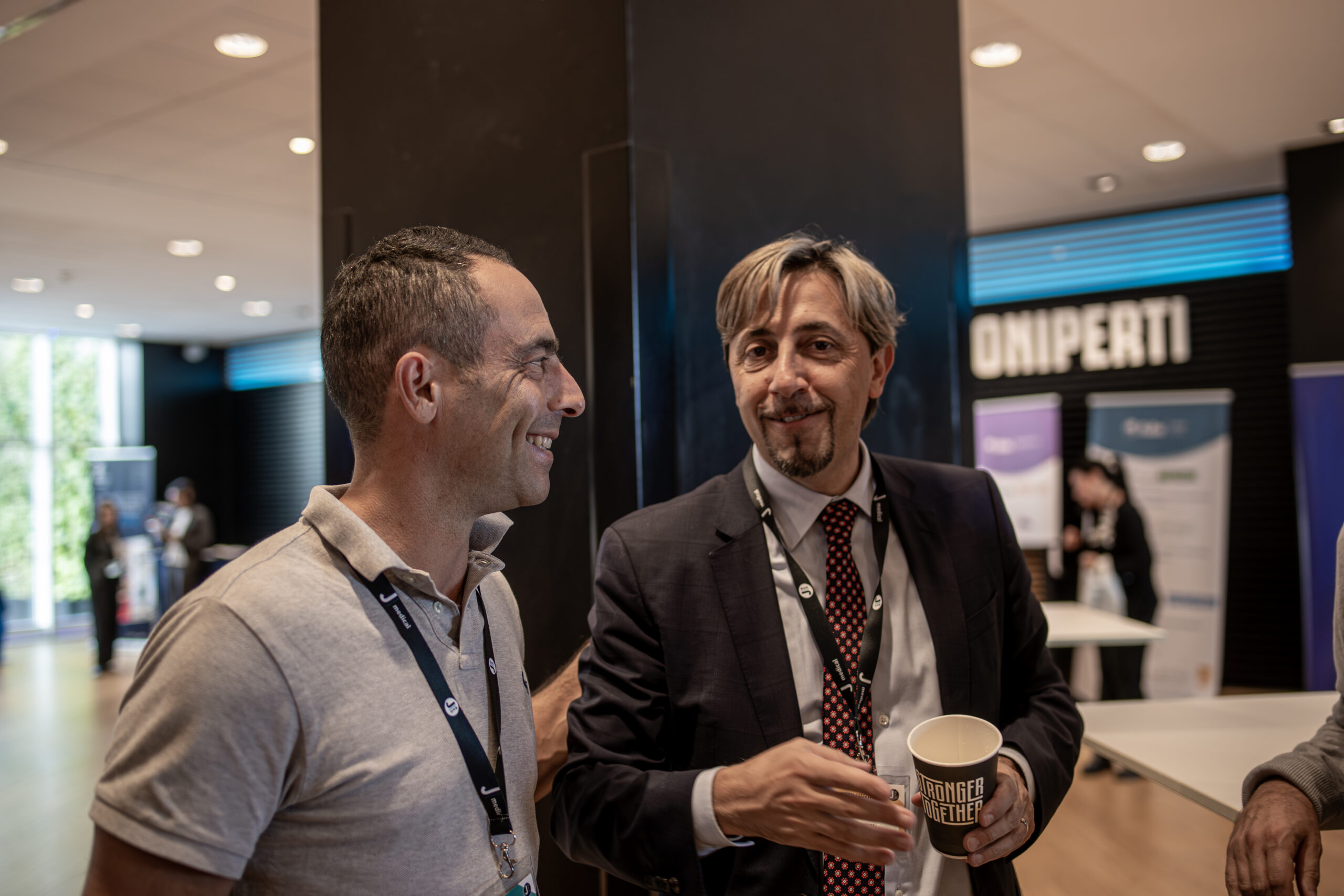
[Photo gallery]