Per ogni atleta il trattamento personalizzato rappresenta un momento cruciale per ritornare ad uno stato di forma ottimale o recuperare da un infortunio.
La performance è l’obiettivo di ogni atleta. J|medical collabora con atleti di ogni disciplina sportiva per contribuire a sviluppare strategie di allenamento personalizzate.
La prevenzione è un altro aspetto fondamentale per chi pratica sport. In Italia circa 300.000 atleti ogni anno sono costretti a rivolgersi ai reparti di Pronto Soccorso a causa di infortuni riportati durante la pratica di attività sportiva.
Per ogni atleta il trattamento personalizzato rappresenta un momento cruciale per ritornare ad uno stato di forma ottimale o recuperare da un infortunio.
La performance è l’obiettivo di ogni un atleta. J|medical collabora con atleti di ogni disciplina sportiva per contribuire a sviluppare strategie di allenamento personalizzate.
La prevenzione è un altro aspetto fondamentale per chi pratica sport. In Italia circa 300.000 atleti ogni anno sono costretti a rivolgersi ai reparti di Pronto Soccorso a causa di infortuni riportati durante la pratica di attività sportiva.
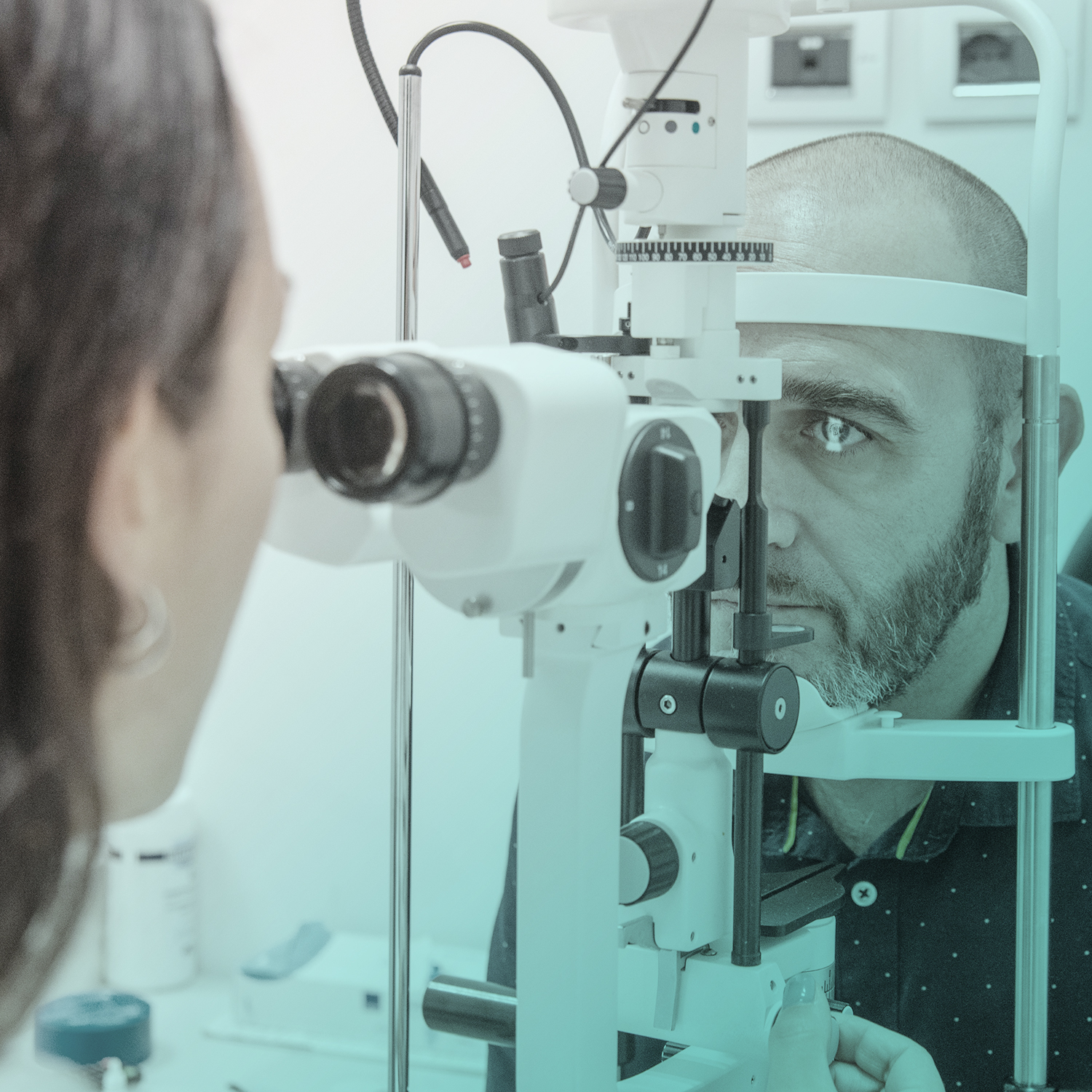
The eye is both a delicate and essential organ in everyday life. When problems affecting the eyes arise, it is important to rely on a physician specialized in ophthalmology or eye care.
What type of specialization is this? Ophthalmology is the branch of medicine that deals with conditions affecting the eye, which in its functional part is an extension of the central nervous system.
Does the ophthalmologist deal with both routine check-ups and eye-related conditions? Exactly. Both the prevention and treatment of eye disorders fall within the scope of the ophthalmology specialist, who may also pursue further subspecialization depending on the segment of the eye involved or the age of the patient.
SERVICES AT J|medical
Ophthalmologic consultation. This is a medical consultation with an ophthalmology specialist. The main objective of the visit is to assess the overall health of the eyes and, if necessary, to identify visual problems, eye diseases, or other conditions that may affect visual quality. It is a fundamental examination for prevention, early diagnosis, and treatment of eye disorders.
Fundus examination (fundus oculi). This is an ophthalmologic procedure that involves examining the posterior part of the eye (including the retina, optic nerve, and blood vessels) in order to achieve early diagnosis and appropriate management of potential eye conditions. This examination helps preserve vision and prevent possible complications. It is performed using specialized instruments (such as the ophthalmoscope), which allow the specialist to detect ocular diseases such as retinopathy, glaucoma, macular degeneration, and other conditions that may affect visual health.
Corneal topography and corneal pachymetry. This is an advanced ophthalmologic examination that uses imaging technology to map the surface and thickness of the cornea. The procedure provides a detailed view of corneal curvature, revealing abnormalities such as astigmatism, keratoconus, and other irregularities. Pachymetry measures corneal thickness, which is important for assessing eye health and monitoring the progression of corneal diseases.
Measurement of intraocular pressure. This examination evaluates the pressure inside the eye (known as intraocular pressure) to determine whether it is too high or too low. This assessment allows for accurate diagnosis and management of glaucoma and other eye conditions related to intraocular pressure.
Orthoptic examination. This examination complements the ophthalmologic consultation and is aimed at detecting alterations in the neuromuscular system that controls eye movements. Its primary objective is to identify targeted treatment and it is particularly recommended in early childhood, as early diagnosis and the use of “eye exercises” can help prevent conditions later in life.
Outpatient surgery in the operating room. At the J|medical center, surgical procedures and ophthalmic interventions are also performed in a dedicated environment without the need for prolonged hospitalization. Patients are discharged on the same day as the procedure, allowing for rapid recovery and a return to normal activities.
Correction of eyelid ptosis. This is a surgical procedure aimed at correcting the abnormal drooping of one or both upper eyelids. The intervention restores the correct position of the eyelids to improve vision and aesthetic appearance.
Correction of eyelid dermatochalasis (blepharoplasty). When excess skin obstructs vision, surgery is performed to improve both aesthetic appearance and visual function. The specialist removes excess skin and fatty tissue from the upper and/or lower eyelids.
Correction of eyelid entropion. When eye irritation or damage is caused by friction between the eyelid and eyelashes due to inward rotation of the eyelid margin, corrective eyelid surgery is performed to restore the eyelid to its normal position, improving comfort and visual function.
Correction of eyelid ectropion. Similarly, surgery is performed in cases of irritation caused by outward rotation of the lower eyelid margin, which loses contact with the eyeball. As the eye is no longer fully protected by the eyelid, dryness and significant discomfort may occur. The surgical procedure restores normal eye function.