MANUAL THERAPIES at J|medical
The reasons that drive a person to undertake a rehabilitation path are manifold. It can happen following a sports trauma, an accident, but often simply as a form of prevention. Regardless of the reason, it is important to turn to a valid physiotherapist. Manual therapy, within this functional recovery path, represents the first fundamental step.
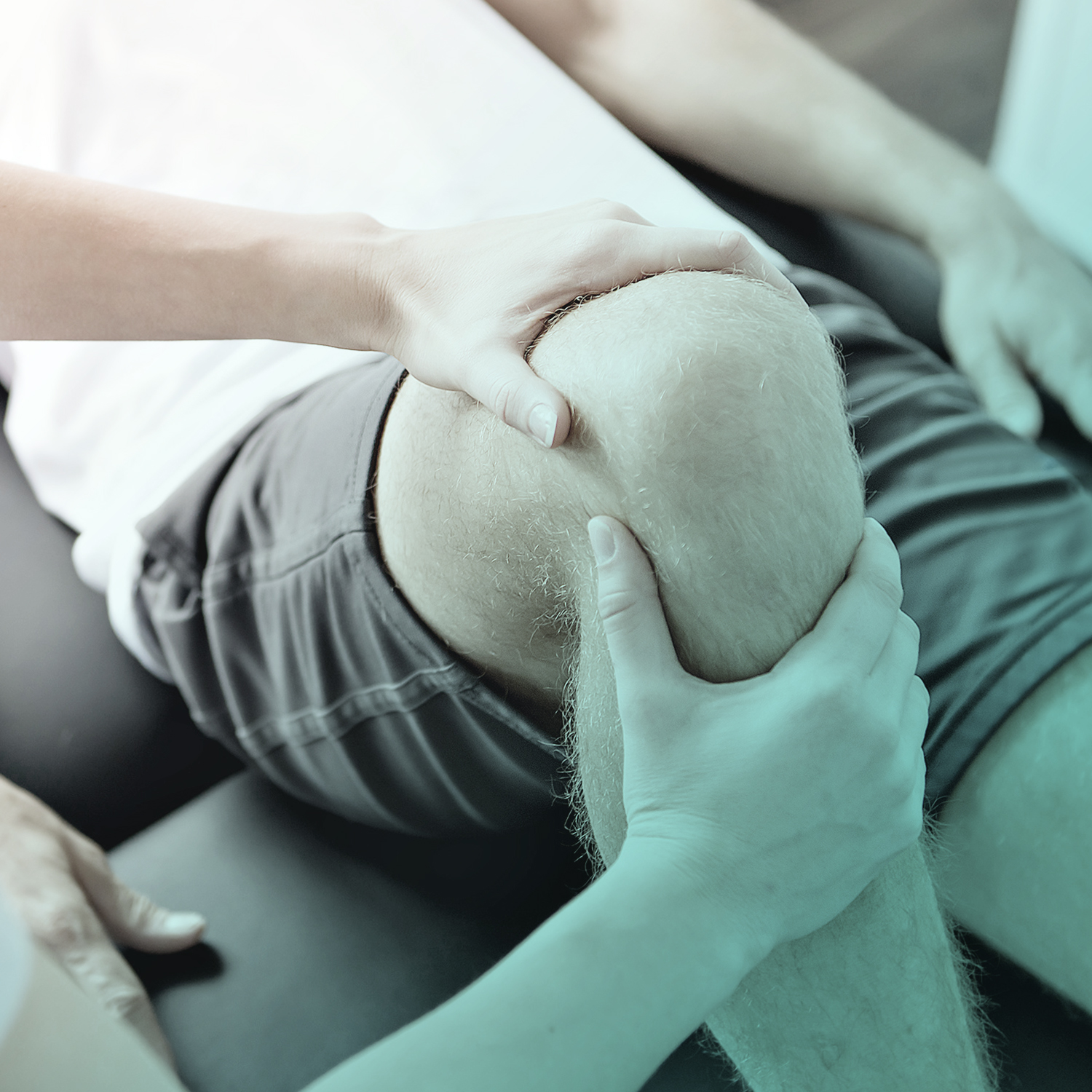
What does it consist of? Through treatments such as therapeutic massages (massotherapy), mobilization, or functional activation against resistance, the physiotherapist draws up an initial balance of the clinical and functional picture, contributing to modeling the timing and methods of the subsequent phases, always under medical supervision.
Who is the manual therapist? They are an important figure in a patient’s rehabilitation path. They are a professional specialized in the care of musculoskeletal and neurological system dysfunctions, whether congenital or acquired (traumas or accidents).
What are their main tasks? Rehabilitating, curing, and re-educating the patient through manual and instrumental therapies, contributing to reducing pain, increasing mobility, and stimulating the functionality of damaged areas.
- What are the manual therapies? Here is a quick list:
- Massotherapy, sports therapeutic massage, functional taping. Localized therapeutic massage, decontracting and analgesic, is indicated for the functional recovery of muscles and joints. The therapeutic effects of massage are found on skin tissues, blood and lymphatic circulation, muscle tissues, and the nervous system. Other effects are the reduction of muscle tension, stimulation of local microcirculation, decongestion, and relaxation of tissues.
- Deep transverse massage. It is a massage technique that allows the treatment of muscular or tendon pathologies, with the aim of restoring or maintaining tissue elasticity and mobility and promoting physiological healing.
- Myofascial massage. Not only muscle bellies but also their envelopes, the muscle fasciae, can be involved in painful dysfunctional pictures and therefore represent a therapeutic target.
- Lymphatic drainage. This massage technique has a decongestant action that promotes the reabsorption of edema and excess fluids present in tissues.
- Joint manipulation. It can be performed with various techniques (Maitland, Kaltenborn, McKenzie, Mulligan), and is indicated following surgery, degenerative pathologies, neurological problems, arthrosis. It aims to maintain (or reinstate) the physiological joint range, while favoring optimal functionality of the surrounding soft tissues. Kinesitherapy. In general, it indicates movement therapy, which can therefore be declined in different ways based on indications. It refers most frequently to rehabilitative practices following prolonged immobilization, such as after fractures and/or surgery. The purpose is to reinstate mobility and basic functions of the involved segment, building a solid base on which to insert the subsequent active strengthening path.